Rudi Dutschke’s Internationalism Is Still a Subversive Creed
Rudi Dutschke was West Germany’s most prominent radical in the late 1960s and a hate figure for Axel Springer’s media group. Dutschke’s internationalism is more vital than ever today as the German power elite tries to criminalize international solidarity.
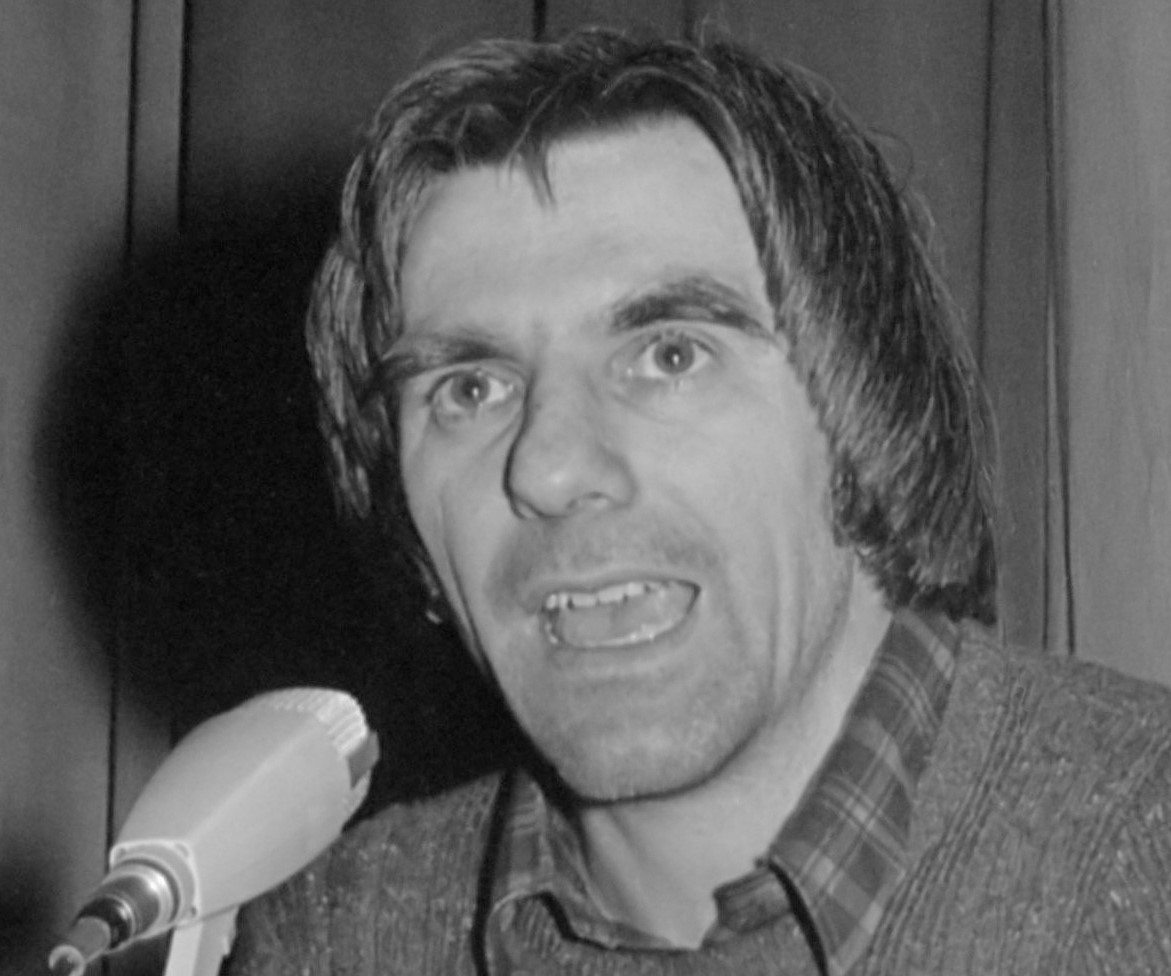
Rudi Dutschke in 1976. (Hans Peters / Anefo / Nationaal Archief via Wikimedia Commons)
Mention Rudi Dutschke to someone in Germany today and you might elicit the slogan of “the long march through the institutions.” More probably, you will stir up impressions of the West German 1960s — Nazi parents, counterculture, the Berlin Wall — and a boyish-looking rabble-rouser who died young.
Outside Germany, Dutschke hardly registers for anyone but scholars and baby boomers. Yet Dutschke was once a household name. “Red Rudi” even appeared as such a credible revolutionary threat that he amassed a hefty FBI file despite never setting foot in the United States, having been barred entry.
Dutschke was gunned down on the eve of May 1968 by an anti-communist who had been inspired by the assassination of Martin Luther King Jr. Although he survived the attack, he died of its consequences eleven years later, at age thirty-nine.