Poor Things Is a Light and Gorgeous Lanthimos Fantasy That Could Use More Weight
Poor Things, Yorgos Lanthimos’s new film, is gorgeous, thought-provoking, and wonderfully acted. All it’s missing is some more weight behind its feminist spirit.
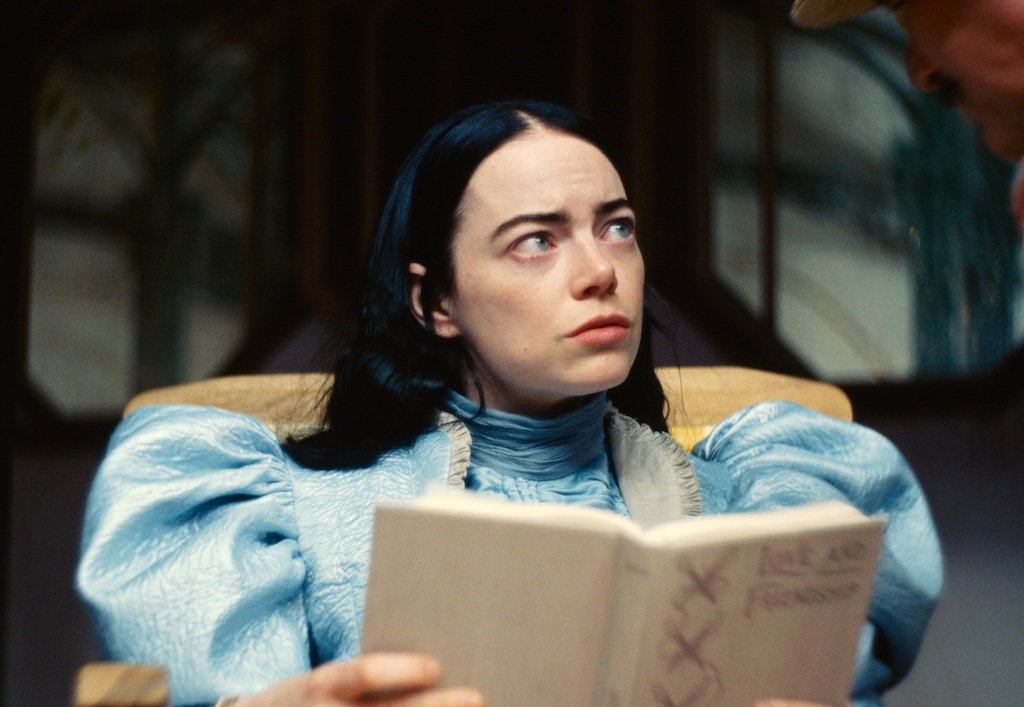
Emma Stone in Poor Things. (Searchlight Pictures)
I expected to love Poor Things. It’s the result of a reunion of the creative team responsible for 2018’s The Favorite, which I loved: Lanthimos directing, screenwriter Tony McNamara, and lead actor Emma Stone. A friend who is a great fan of Poor Things had many compelling things to say about its virtues. And I agree insofar that it’s a unique film, certainly, no small thing in these days of derivative cinema. It refuses the victim discourse that tends to attach to women as the “poor things” of the mocking title, by celebrating the triumphal journey of one woman who lives without shame and is therefore free to choose her path in life, making of it an arc of bracing self-invention.
But here’s why, ultimately, I wasn’t persuaded.
Poor Things is a female Frankenstein’s monster tale based on the 1992 novel by Alasdair Gray. It’s about Bella Baxter, played by Stone, the laboratory creation of the reclusive Dr Godwin “God” Baxter. He’s recovered the body of a pregnant, disastrously married Victorian woman who committed suicide, then replaced her damaged brain with the still-living brain of her baby. Godwin himself is the horribly scarred product of his own sadistic “mad scientist” father’s experiments, which have also rendered him impotent and caused him digestive difficulties that result in his burping up magically colored bubbles at every meal. (There’s a lot of this kind of biological whimsy in the film. Animals cut up and sewn together for laughs aren’t really my idea of a good time, however.)