Bill Clinton’s Presidency Was a Disaster for Labor
Though Bill Clinton ran for president on promises of empowering workers, in office he gutted welfare and passed NAFTA, undermining organized labor and driving working-class voters away from the Democratic Party. We’re still living with the consequences.
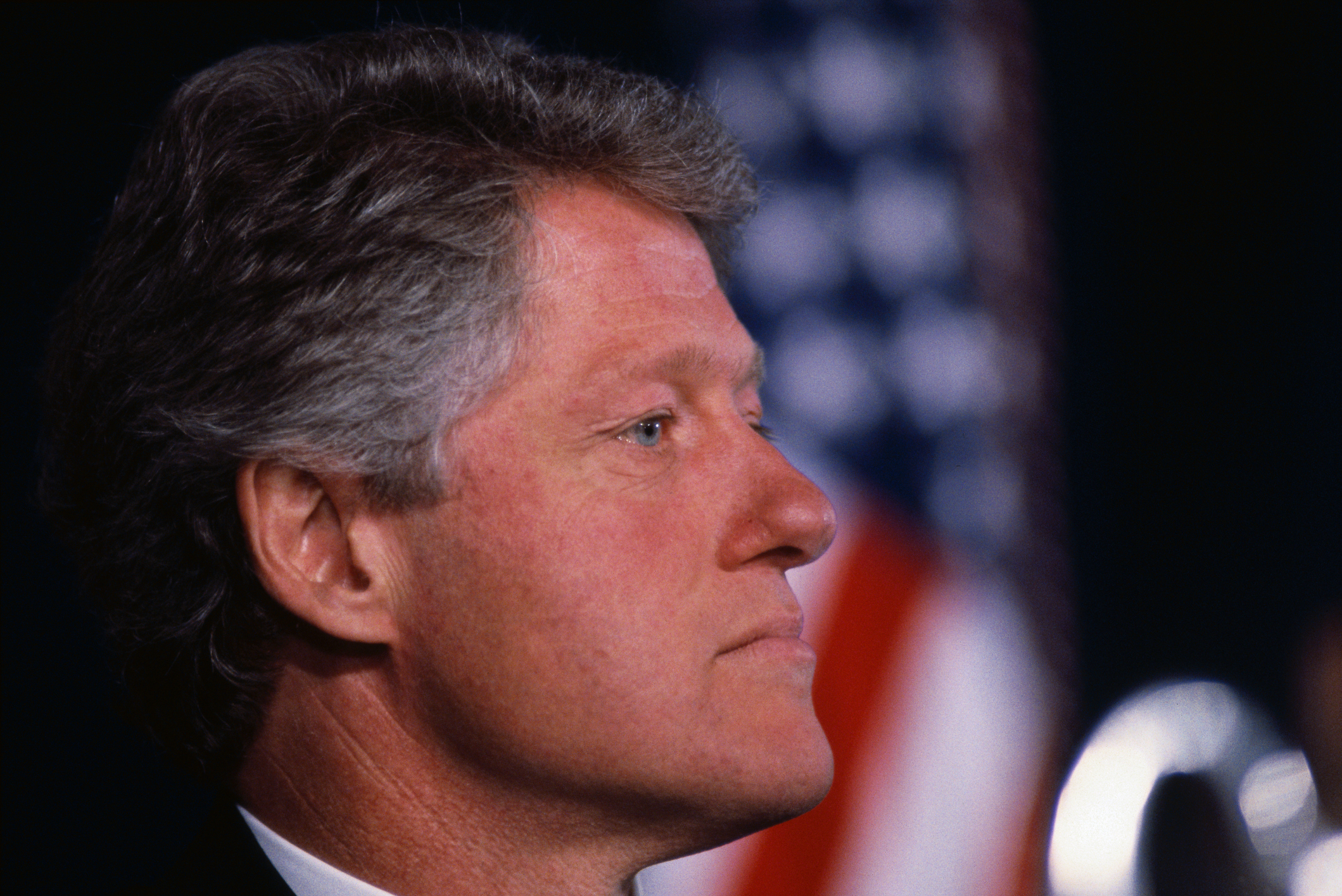
Bill Clinton’s neoliberal agenda deliberately gutted social security and facilitated the offshoring of manufacturing. (Getty Image)
After twelve years of Republican rule, an air of high anticipation permeated Washington as forty-six-year-old William Jefferson Clinton, former Arkansas governor and Georgetown graduate, took office in 1993. But it quickly became clear that “a revival and modernization of New Deal-style liberalism,” something many Democrats had been waiting for, “was stillborn at the dawn of the Clinton era.”
So write Nelson Lichtenstein and Judith Stein in A Fabulous Failure: The Clinton Presidency and the Transformation of American Capitalism. In their recently published book, the noted labor historians offer a compelling account of how Bill Clinton’s initial promises of empowering American workers and encouraging progressive values rapidly turned into failure.
A product of Stein’s (who died in 2017) time studying Clinton’s early political career in Arkansas and developed with this impulse by Lichtenstein, the book puts particular focus on Clinton’s deep roots in right-to-work Arkansas and the cronyism between Clinton and his profoundly anti-union donors.