The Antiwar Left Saved the Honor of German Socialism Amid the Horror of the Trenches
Germany’s radical left spearheaded opposition to a futile, destructive war after 1914. Alongside famous leaders like Rosa Luxemburg, there were lesser-known figures such as Johann Knief, whose political life illuminates this vital period of socialist history.
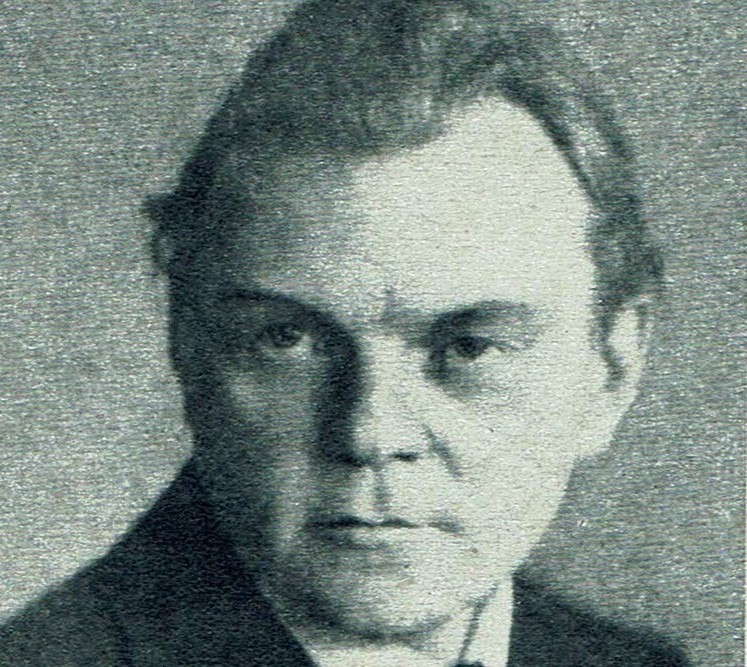
German socialist Johann Knief. (Wikimedia Commons)
Prior to World War I, the German Social Democrats (SPD) were the most successful and prestigious socialist party anywhere in the world, with a million members and a dense network of allied trade unions, newspapers, and cultural associations. The SPD was also the largest and most cohesive political force in German society, setting an example that awed everyone who had contact with it.
During the war that shattered the unity of German social democracy, Johann Knief (1880–1919) belonged to a small cohort of radicals who attempted to drive socialist politics further to the left. Knief applauded the antiwar demonstrations, plundering of food and retail stores, and street fighting with the police.
In his journalism, he encouraged further protests and workplace takeovers, and spoke elegantly about an altered social system that would vanquish inequality and exploitation. Knief was important because he helped reconceptualize socialist politics as they had been practiced until then. A closer look at his political career can shed important light on this crucial period in the history of German and European socialism.