RIP Alan Arkin, Hollywood’s Last Brilliant Mensch
Actor, director, musician, and certified New York “red diaper baby” Alan Arkin (1934–2023) was the rare Hollywood talent whose onscreen genius grew out of his own innate warmth and kindness.
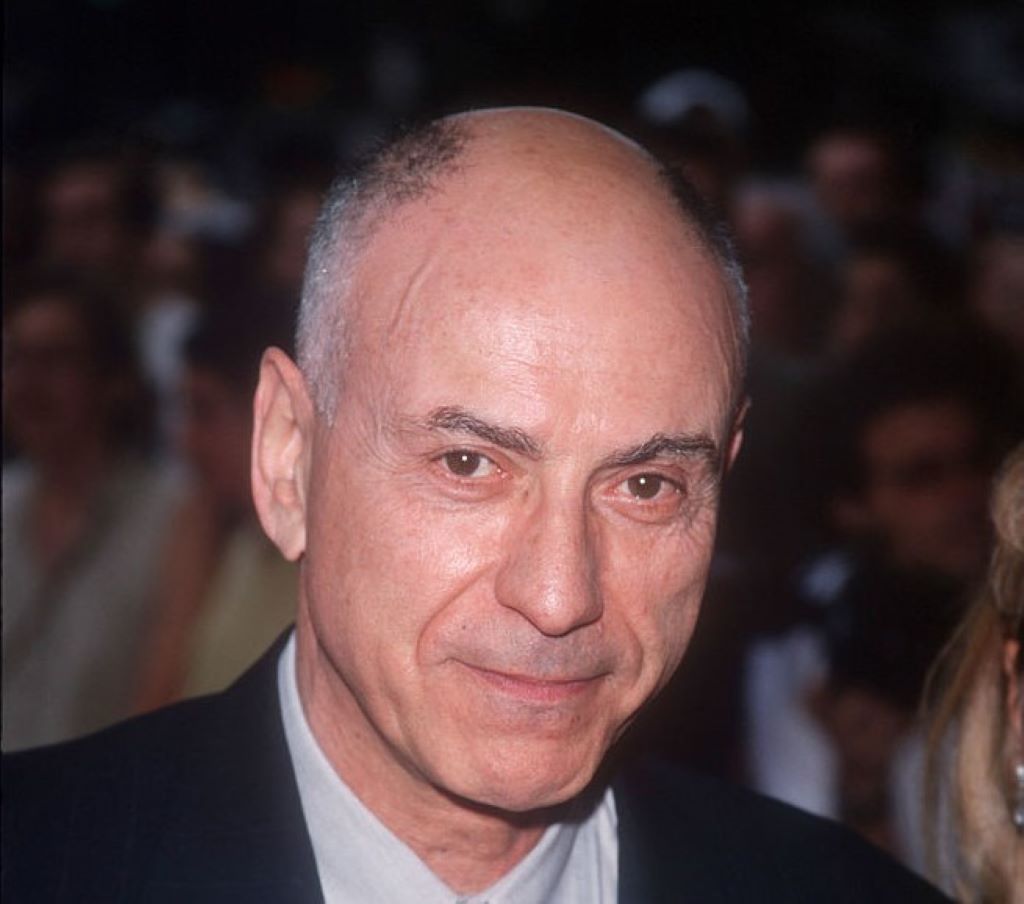
Alan Arkin in New York City, August 10, 1998. (Evan Agostini / Liaison)
There are so many Alan Arkin performances I love. He’s one of the rare actors who deserves the effusive tributes inspired by his death on June 30. Arkin was eighty-nine, and we’d gotten so used to him showing up in all kinds of films and television projects that it seemed a harsh blow to lose him. Such a range of roles in The Russians Are Coming the Russians Are Coming (1966), Wait Until Dark (1967), The Heart Is a Lonely Hunter (1968), Catch-22 (1970), The In-Laws (1979), Edward Scissorhands (1990), The Rocketeer (1991), Glengarry Glen Ross (1992), Gattaca (1997), Slums of Beverly Hills (1998), Little Miss Sunshine (2006), Argo (2012), BoJack Horseman (2014–20), The Kominsky Method (2018–21), and lots more — even recurring sketches on the second season of Sesame Street.
How many mensches do we have in the performing arts, anyway? That’s not a typically convincing actor persona, not when combined with real genius-level talent. But Arkin’s compassionate warmth, humor, and decency seemed to radiate out of him, unless he worked very hard to stifle it in a villain role, such as his evil creep terrorizing blind Audrey Hepburn in Wait Until Dark. Maybe he came by it through his history, as the Brooklynite son of working-class reds of Russian- and German-Jewish extraction, including a teacher mother and a teacher/graphic artist/set-designer father who wound up blacklisted in the 1950s. His father, David I. Arkin, wrote a notable folk song called “Black and White,” which was recorded by Pete Seeger, Sammy Davis Jr, the reggae groups the Maytones and Greyhound, and finally by Three Dog Night, whose version became a hit. The song was inspired by the 1954 Supreme Court decision Brown v. Board of Education, outlawing racial segregation in public schools.
So it wasn’t really such an oddity that a young Alan Arkin found himself in a folk music group, the Tarriers, whose 1956 recording of the Jamaican folk standard “The Banana Boat Song (Day-O)” actually outperformed Harry Belafonte’s legendary version on the pop charts. (The group took its name from the wonderfully grim labor-inspired 1888 folk song, “Drill Ye Tarriers, Drill,” about suffering Irish workers building the railroads.) Showing the same wide-ranging adaptability as his father, Arkin segued into the Second City comedy troupe in the 1960s, and then became famous through acting in hit plays on Broadway, Enter Laughing and Luv, which led to major film roles, as well as a minor directing career (Little Murders, Fire Sale).