The Federal Government Is Trying to Stop Railroad Workers From Striking
Railroad workers bargaining for better pay and working conditions are at an impasse with their employers, causing the federal government to intervene to ward off a disruptive strike. But railworkers should be allowed to strike if and when they want to.
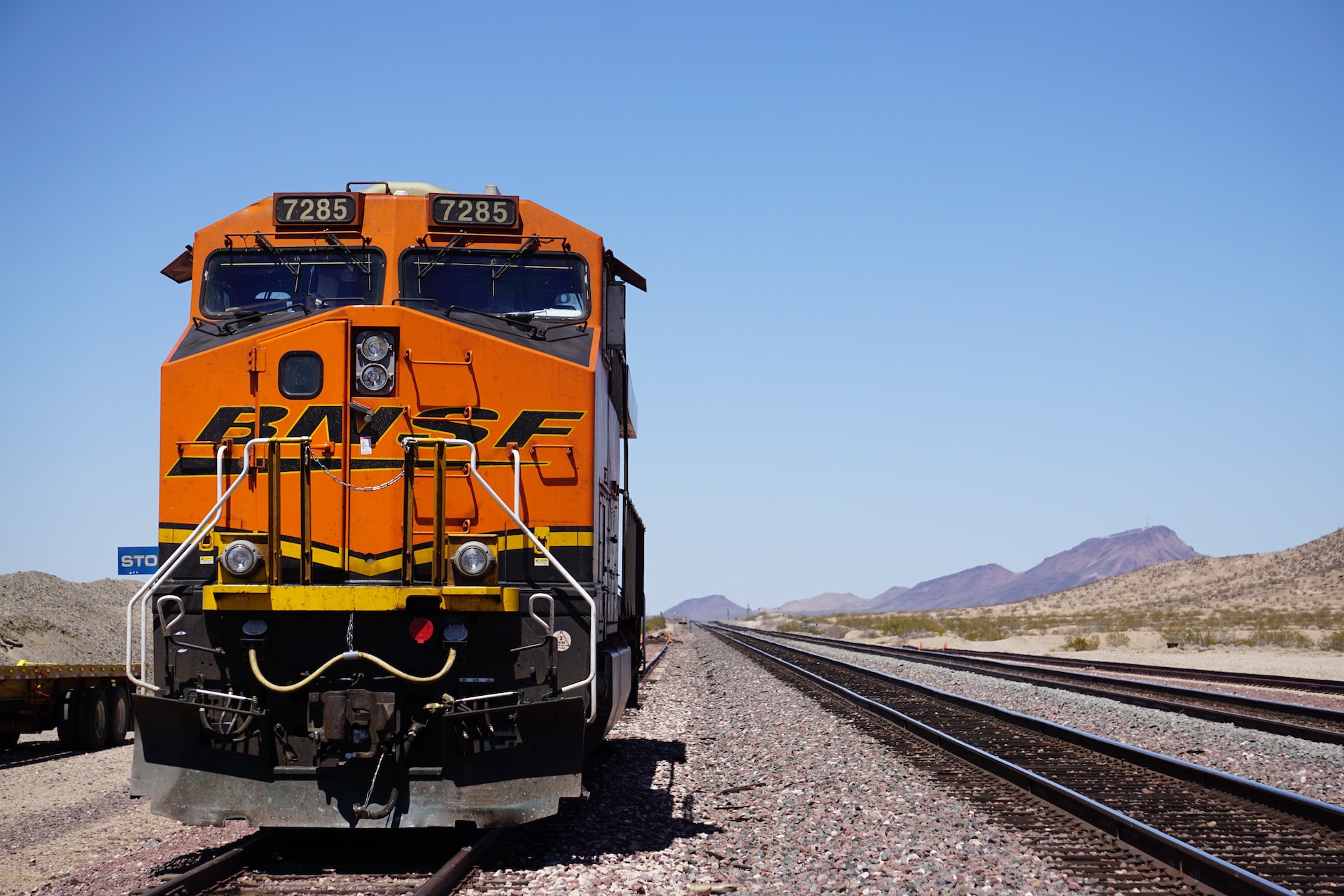
Despite record profits, US rail employers have cut staffing, placing enormous burdens on workers that aren’t reflected in their pay. (Jack Sloop / Unsplash)
For months, 140,000 union railroad workers have been stuck at an impasse with their employers, who are united under the banner of the Association of American Railroads. The terms of the dispute should be familiar to most workers: attendance policy, staffing, and wage increases. Despite record profits, rail employers have cut staffing, placing enormous burdens on workers that aren’t reflected in their pay.
By all accounts, railworkers are in a militant mood. An attendance policy prompted rail unions to attempt to strike earlier this year. In July, 99 percent of union members who cast ballots voted to authorize another strike, prompting President Joe Biden to intervene in August.
In order to avert a strike, Biden appointed a presidential emergency board (PEB) to reach a compromise and settle the dispute. The PEB put some money into wages but predictably did little on the workers’ core workplace concerns. The rail unions are unenthusiastic about the PEB ruling, and the largest groups have not been willing to put the recommendations out for membership ratification. While bargaining continues, the unions will be eligible to strike on September 16, which is thirty days following the PEB recommendation.