Multilevel Marketing Companies Are Cashing In on the Crisis
Behind the growth of “cult-like” multilevel marketing lies the fact that our economy leaves growing numbers of people isolated, insecure, and vulnerable to promises of a quick way out.
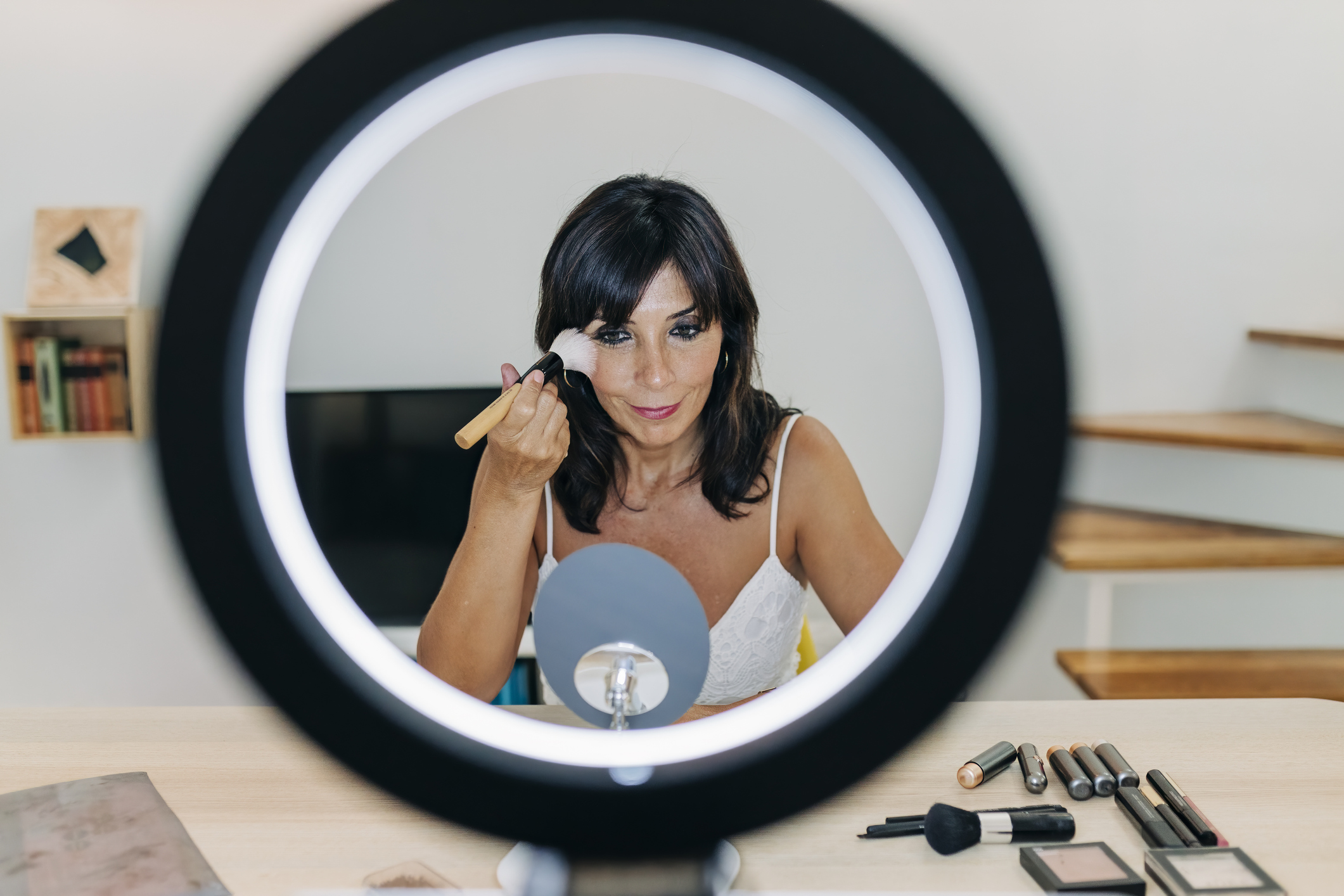
Sellers have described being pressured by their “uplines” to go “live” daily on social media to promote the multilevel marketing lifestyle. (Westend61 / Getty Images)
As a teenager, Amelia was desperately looking for a part-time job, handing CVs out in cafés and bars with no luck. One day, she picked up a leaflet about an “exciting business opportunity” to become an Avon representative. Everybody knew somebody who was selling for Avon — an auntie or a neighbor. Pity-bought lipsticks rattled around the bottom of handbags, and catalogues littered kitchen tables. The ubiquity of Avon created a sense of security; this “exciting business opportunity” could be a legitimate quick moneymaker. The next thing she knew, a manicured Avon representative was at the dining room table, providing tips on how to sell products and recruit a “team.” The catalogues were swiftly thrown away and forgotten, with never even a nail polish sold.
Avon, and companies like it, have tempted millions of people, and even more have watched as people we know become part of these selling communities. Avon is one of the most common and well-known multilevel marketing (MLM) companies in Britain, but over the last decade, the sector has exploded, with social media providing a perfect foil to sell products — and ourselves. Watching friends and acquaintances mixing up juice-based meals and popping fruit-powder pills, filming their skin care routines, or modeling their new leggings has become commonplace. While we might roll our eyes and scroll past, the “girlboss” business model is sucking in people in the thousands and has only grown in the face of economic crisis.
Selling the Dream
At the height of the coronavirus lockdown, multilevel marketing companies were rebranding as “social selling” and exploding across social media. Representatives for Younique, FM World, and Arbonne were hosting “social media raffles” that offered the chance of winning big for a small entry fee. Social selling rose 32 percent during the first quarter of 2021 as people were recruited to make their work-from-home businesses a reality, with society and our working lives transformed by the COVID pandemic.