A Police Murder in Western Massachusetts Shows How Economic Inequality Kills
In the deindustrialized town of Pittsfield, Massachusetts, police recently killed a man having a mental health episode. Now residents are organizing to attack the deep social and economic ills that led to his death.
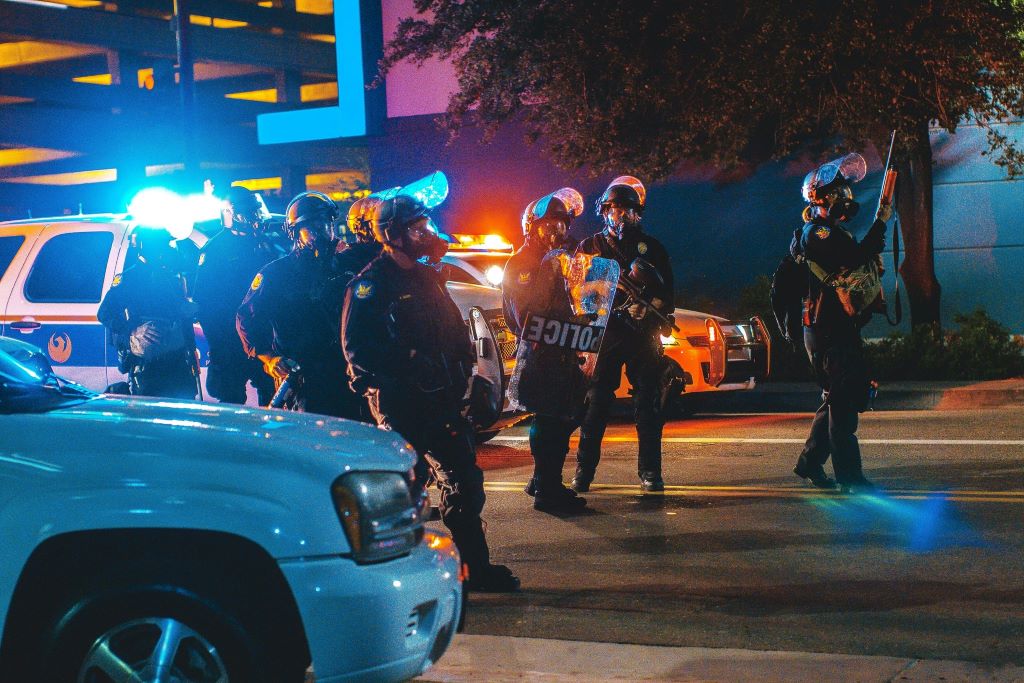
As in countless other US cities, police in Pittsfield, Massachusetts, largely exist not to serve the public but to manage the poor and working class, often racial minorities. (AJ Colores / Unsplash)
The police don’t wear body cameras in Pittsfield, Massachusetts. Some believe that’s why there are so many questions about the death of Miguel Estrella.
In March, Estrella was shot twice by officers in the Western Massachusetts city while intoxicated, distraught, and hurting himself. His friends had called emergency services for help. Witnesses say the shooting was unnecessary; Miguel could have been subdued by nonlethal means. He had been disarmed and attended to by police earlier that night, but officers declined to take him to a hospital for observation.
The police say that while the shooting was indeed tragic, it was also unavoidable. Miguel had advanced on officers with a knife — they acted lawfully and to protect lives. Police claim Estrella did not meet the criteria for a person in crisis — a technical distinction given to those under the extreme influence of mental illness or drugs — and therefore didn’t require a hospital visit. (The district attorney’s office has acknowledged the 911 call that brought police to the scene made clear that Estrella had a history of depression.)