Baz Luhrmann Is Giving Us a Good, Clean Elvis for the 21st Century
Baz Luhrmann’s Elvis tries to sell audiences on a sanitized version of the King, missing the much weirder, wilder, and messier truth of his life and career.
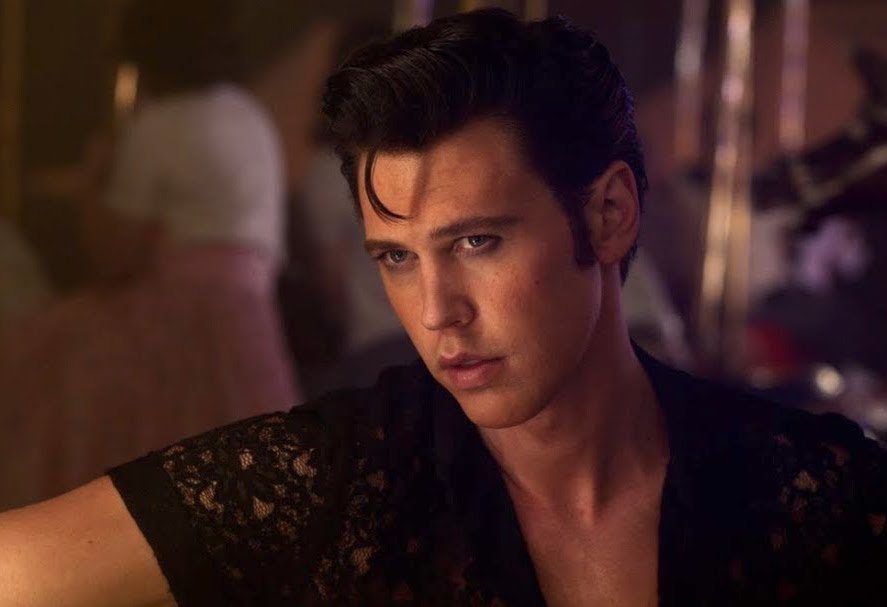
Still of Austin Butler in Baz Luhrmann’s Elvis. (Warner Bros.)
Baz Luhrmann’s new film, Elvis, is a lurid, nutty, hysterically melodramatic film extravaganza, typical of the Australian writer-director-producer, whose expensive commercial spectacles include The Great Gatsby, Australia, and Moulin Rouge! At the moment, Elvis is doing pretty well at the American box office following the successes of Top Gun: Maverick and Jurassic World: Dominion, causing much rejoicing in Hollywood after a rough couple of years. It’s also drawing older audience members, the ones largely written off by the American film industry, in startling numbers — 56 percent over age thirty-five, and an incredible 29 percent over age fifty-five.
Such numbers undercut the idea of Luhrmann’s biopic being designed primarily to appeal to younger generations, giving them a chance to get better acquainted with the legendary performer, in these less Presley-saturated times:
Billy Stallings, an expert on Elvis history, emphasized that the film is not for Elvis purists. Instead, it’s a way for younger audiences and people not familiar with Elvis to be introduced to the King of Rock and Roll. It’s a supersized, over-the-top look at Elvis’ life that stacks one grandiose moment on top of another. Its extravagance holds your attention, even if it’s at the cost of staying faithful to Elvis Presley’s true story.