The Left Has a Long, Proud Tradition of Opposing War
There’s a long and rich tradition of the Left’s opposition to militarism that dates back to the First International. It’s an excellent resource for understanding the origins of war under capitalism and helping leftists maintain our clear opposition to it.
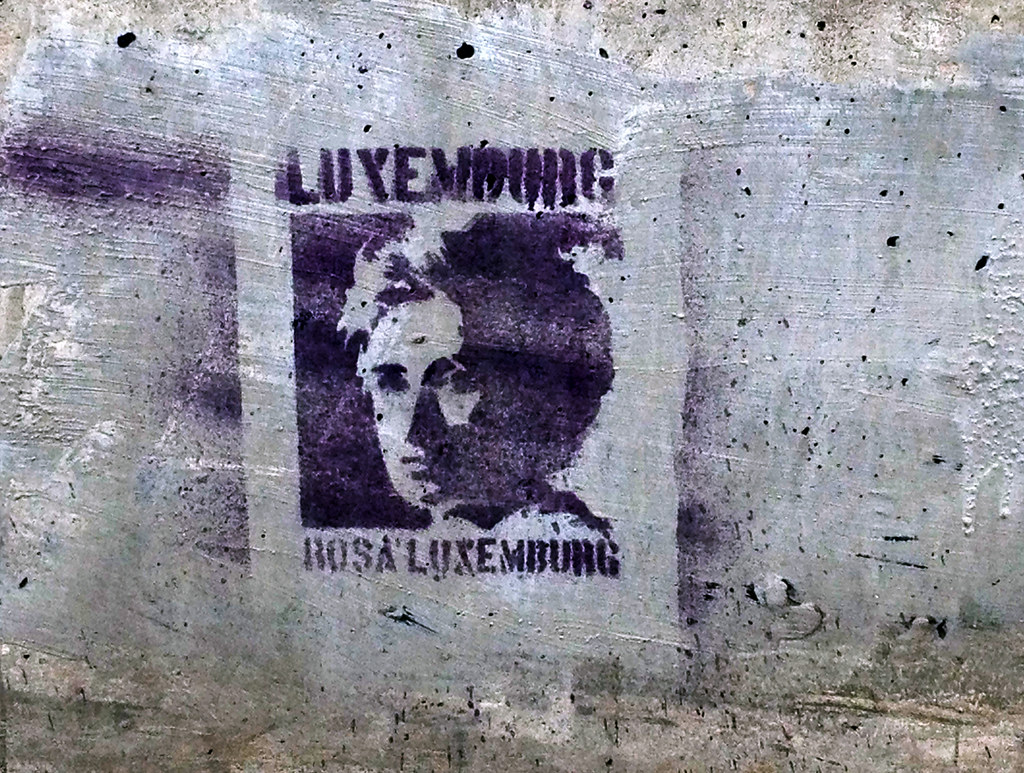
While most parties of the Second International suppored their countries’ drives to war in World War I, Rosa Luxemburg was among the socialist leaders who opposed the war. (Ashton Emanuel / Flickr)
While political science has probed the ideological, political, economic, and even psychological motivations behind the drive to war, socialist theory has made a unique contribution by highlighting the relationship between the development of capitalism and war. The Left has long theorized its opposition to war, and the main positions of socialist theorists and organizations over the past 150 years offer useful resources for opposing Russia’s aggression against Ukraine, as well as for continuing to oppose NATO.
Rarely have wars — not to be confused with revolutions — had the democratizing effect that the theorists of socialism hoped for. Indeed, they have often proved themselves to be the worst way of carrying out a revolution, both because of the human cost and because of the destruction of the productive forces that they entail. If this was true in the past, it is even more evident in contemporary societies where weapons of mass destruction are continually proliferating.
The Economic Causes of War
In the debates of the First International, César de Paepe, one of its principal leaders, formulated what would become the classical position of the workers’ movement on the question of war: namely, that wars are inevitable under the regime of capitalist production. In contemporary society, they are brought about not by the ambitions of monarchs or other individuals but by the dominant social-economic model. The lesson for the workers’ movement came from the belief that any war should be considered “a civil war,” a ferocious clash between workers that deprived them of the means necessary for their survival.