Coachella Is a Carnival for Capital
Coachella is less a music festival than a showcase for brands. You could even say that Coachella is at the bleeding edge of capitalist bullshit.
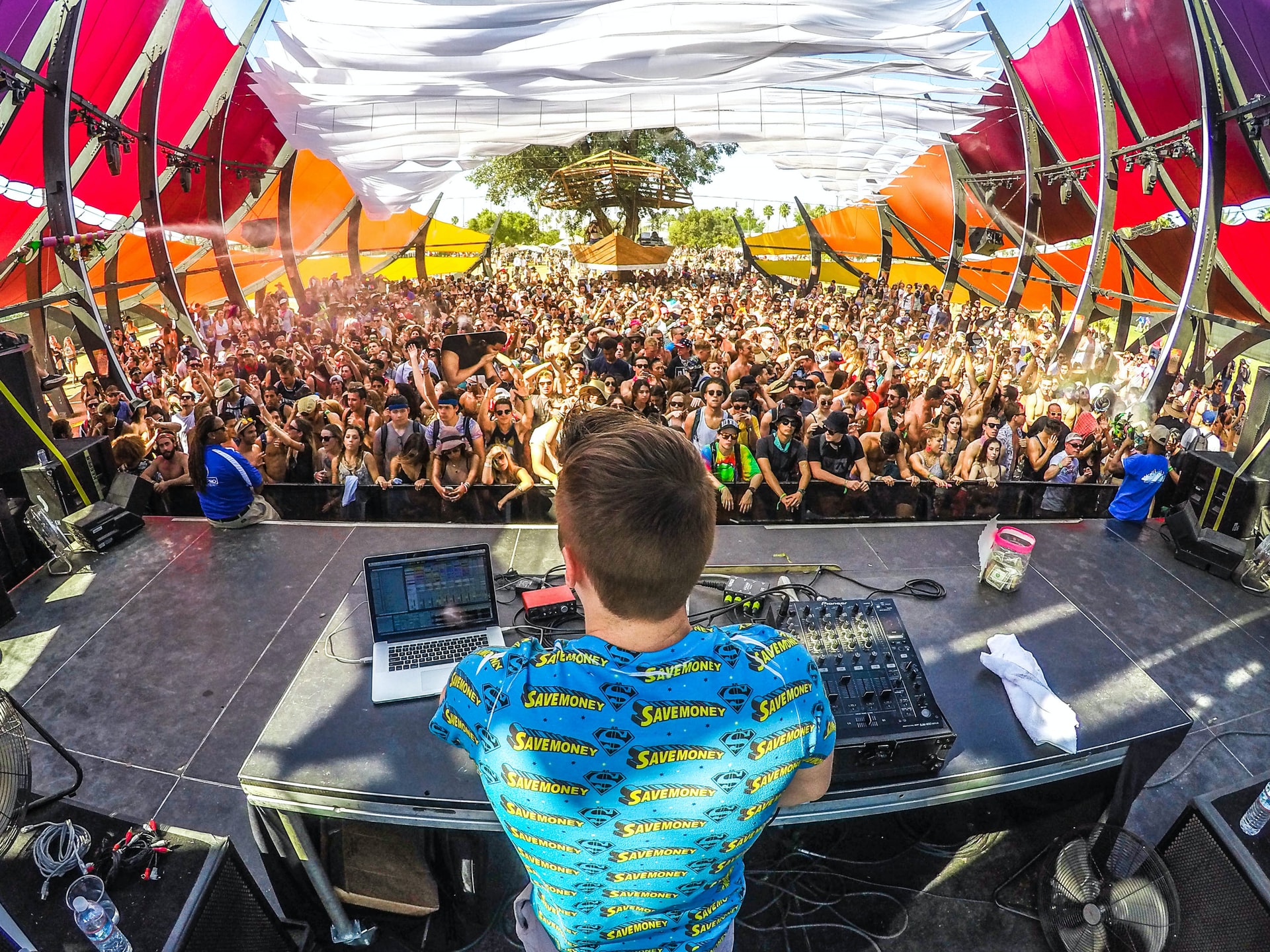
(Eric Ward / Unsplash)
After a two-year hiatus, Coachella is being necromanced back into existence on the grounds of Indio’s Empire Polo Club. Headlining acts include Harry Styles, Billie Eilish, and festival favorite Swedish House Mafia, whose most notable aesthetic contribution is a 2012 Absolut vodka ad with robot dogs. Festival classics will be trotted out again. SPECTRA, a seven-story tower by UK design studio NEWSUBSTANCE, will be back for people to wander around aimlessly in. Robert Bose’s Balloon Chain will also be on hand to lend “an epic dimension to our collective experience.” And some new attractions — like a secret sushi bar by Phillip Frankland Lee and Margarita Kallas-Lee, where you can get a $375 omakase — will make their debut.
Coachella has been around long enough to move in and out of cultural relevance. Opened in 1999 by Goldenvoice’s Paul Tollett as an attempted synthesis of 1990s music festivals, Burning Man, and “the sixties-era longing for a new world which three days in the desert helps satisfy,” it slowly transitioned from a post-grunge focus with headliners like Rage Against the Machine and Radiohead to the pop and EDM (electronic dance music) orientation seen today.
Functioning for some years as a proving ground for young influencers, it has often been criticized for everything from “cultural appropriation” to brand lionization. In 2016, the New Yorker’s Carrie Battan, noting the festival’s commercialized sartorial sensibilities and its generic music, wrote that “it would be a waste to lament Coachella as a moneyed and hollow representation of counterculture.” It other words, it never really pretended to be anything else.