Korean Television Is in the Midst of a Radical Renaissance
Squid Game, My Name, and D.P. all represent a growing trend of radical Korean television. Critics have attacked these shows for their vulgarity, but the violence they depict holds a mirror up to Korean society.
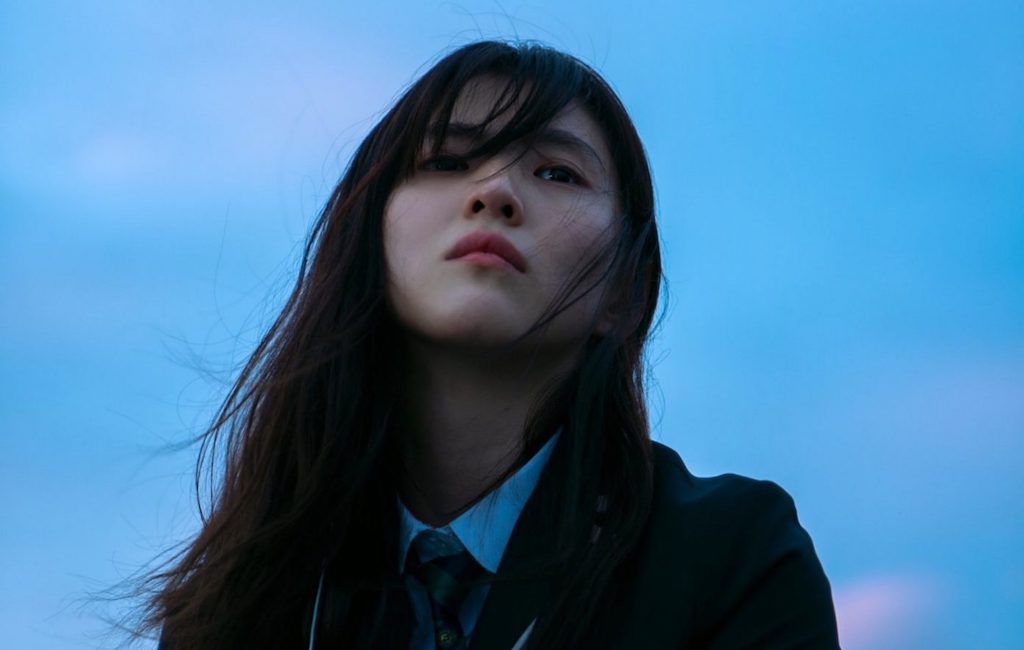
Han So-hee in My Name. (Netflix)
Toward the end of his acceptance speech for Best Original Screenplay in the 2020 Academy Awards, Parasite cowriter Han Jin-won made sure to place his movie in the context of his country’s filmmaking culture. “As there’s Hollywood in the US, in Korea, we have Chungmuro. I’d like to share this honor with all the storytellers and filmmakers in Chungmuro.” It was a moment of international validation from entertainment’s dominant (read: Western) culture and well-earned recognition for a national cinema largely consigned to independent art house screenings for hardcore cinephiles and Orientalists.
Two years later, Korean media has proliferated worldwide, fueled by streaming companies’ investment into the country’s programming. Last month, Netflix announced that it will release twenty-five original Korean shows and movies this year, following record audiences in 2020 for Squid Game and My Name. These shows are notable not just for their viewership – Squid Game remains Netflix’s most-streamed series, raking in over 111 million views as of last year – but for the stories they’re highlighting. Stylistically striking and socially aware, they represent a departure from traditional network television, which has long been a medium for the government and corporations to project and protect their commercial aspirations.
Constrained by stringent broadcast regulations, Korean TV over the past two decades has depicted sanitized worlds free of obesity, pimples, and poverty. Behind its on-screen façade of purity and glamour, the dominant ideology within Korea remains one hostile to women, minorities, and the poor. It is a nation which, in the minds of its political elite, is defined by tensions between its Confucian history and high-tech modernity. This is a conflict which came to a head in the election of the self-avowed “anti-feminist” Yoon Suk-yeol to the presidency earlier this month.