How Big Ag Bankrolled Regenerative Ranching
Advocates of “regenerative ranching” methods claim they’re slashing the carbon footprint of the ranching industry — but they’re actually propping up a scam that Big Ag is bankrolling.
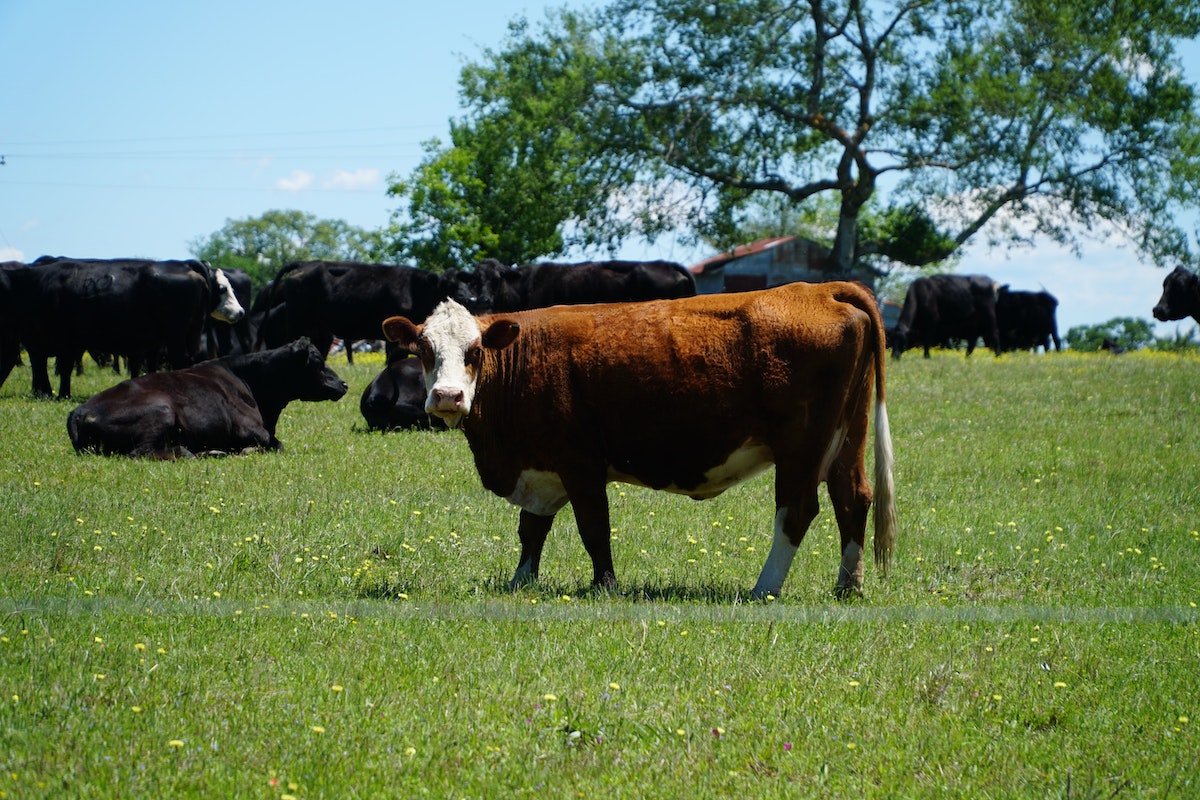
(Thomas Park / Unsplash)
It was 1965. Historians would later call it the Rhodesian Bush War, but back then it was just tracking. Allan Savory wiped the sweat from his forehead, catching a bead of black dye before it hit his eyes. Four Zimbabwean independence fighters had shot up a police station, and Ian Smith’s rogue colonial government had tasked Savory’s Tracker Combat Unit with finding them. In his war memoir, Savory follows trail signs along the banks of the Zambezi, glimpses a camouflage jacket through the foliage, and kills them all.
Half a century later, Allan Savory stepped into the lights on a stage in Vancouver. He told the TED Talk audience that he had come to regret ordering the deaths of forty thousand elephants during his time as a Rhodesian wildlife officer. He didn’t mention his central role in developing the tracking technique of the Selous Scouts, who massacred thousands of civilians during the war, using everything from machine guns to anthrax. That was all beside the point. He was there to tell a story about how cattle farming could save the world from climate change. The world believed him.
The Evolution of a Myth
Savory called his theory holistic rangeland management, but today it’s known by many monikers, including regenerative ranching, rotational foraging, and adaptive multi-paddock (AMP) grazing. Its central premise is that by putting cattle on the move, overgrazing can be prevented and, crucially, atmospheric carbon can be sequestered into the soil.