No, Automation Isn’t Going to Make Work Disappear
Talk of a great technological replacement suggests that automation is rendering most workers obsolete. But innovation isn’t simply replacing human workers — rather, it’s created a battle over whose interests the new technologies will serve.
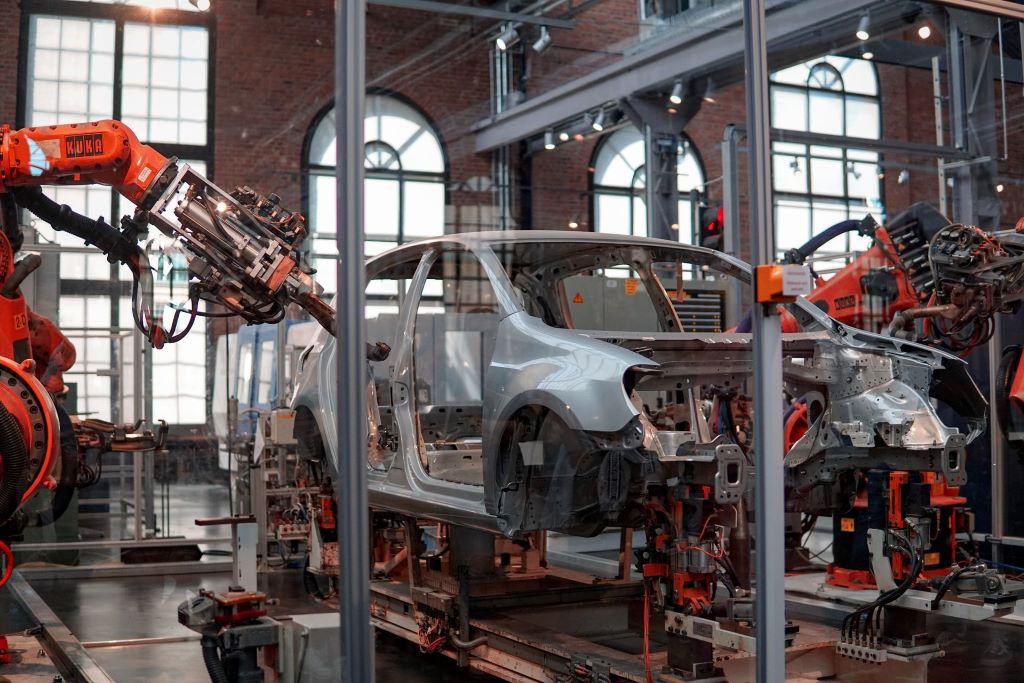
The problem with the transformation of work today is less that new technologies could eventually replace workers but that they are used to degrade working conditions, keep wages stagnant, and flexibilize working time. (Lenny Kuhne / Unsplash)
The COVID-19 lockdowns spurred renewed discussion of which jobs are necessary — and how far our societies remain centered around work at all. With the so-called “Great Resignation,” this took the form of a growing refusal to accept working dull jobs for poverty wages. Yet, in many “techno-optimist” accounts, workers’ power to accept or refuse employment is in any case on the decline. They claim that artificial intelligence and automation are bringing an unprecedented wave of redundancy — demanding, in turn, that we find other ways to guarantee citizens a stable income.
But, French labor sociologist Juan Sebastian Carbonell insists, the claim that new technology is replacing the need for a human workforce is shortsighted — and, in fact, a myth as old as capitalism itself. In his new book Le futur du travail, he argues that work is not disappearing but being transformed, with the material consequences of new technology, outsourcing, and subcontracting shaped both by management plans and worker resistance.
Jacobin’s David Broder spoke to Carbonell about the myth of the “great technological replacement,” the resilience of the workforce at a global level, and the bases of class identity in postindustrial economies.