Twee Began as an Unabashedly Radical Subculture
Love it or hate it, twee is back. It’s the subject of innumerable think pieces, but the subculture’s radical roots in feminism, punk, and the fight against Margaret Thatcher often go unnoticed.
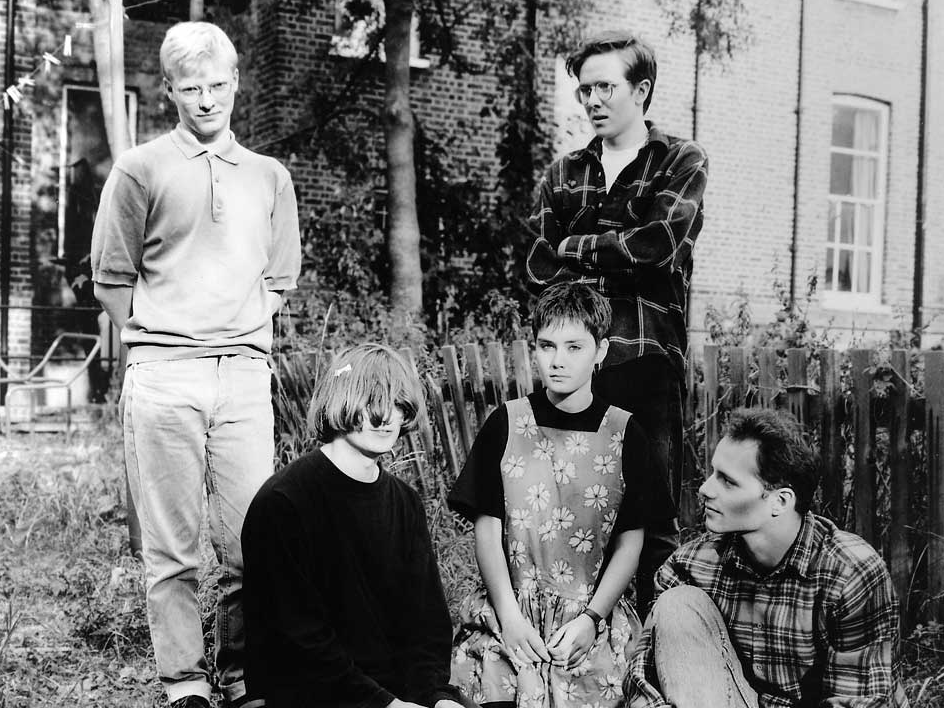
Sarah Records band the Field Mice, photographed in 1991. (Richard Bella / Sarah Records)
In the first weeks of 2022, there has been a flurry of nostalgic interest in “twee” fashion, a style most commentators link to the Zooey Deschanel era of the early 2010s: quirky outfits, pastel colors, ukulele music. The style has been loved, loathed, and debated endlessly, but its public perception is that of a frivolous microtrend devoid of any larger history.
However, twee — particularly in Britain — has a much longer and more complex political legacy, tied to punk, opposition to Thatcherism, and a fledgling attempt at carving out a socialist music culture. In an era when British music is again becoming increasingly radical and seeing its radicalism exploited and commercialized, the history of DIY pop in Britain offers a unique case study in what building a socialist music movement can look like.
“Twee” — originally a pejorative, now embraced by some — was first applied to the jangly guitar pop bands of the 1980s like Shop Assistants or Talulah Gosh, many of whom appeared on the New Musical Express’s (NME) C86 cassette compilation or were signed to Bristol-based indie label Sarah. These bands shared some of the nostalgic, almost cloying aesthetics associated with the modern conception of twee: bright colors, whimsical lyrics, a feminine, 1960s-inspired sense of style.