When Debts Become Unpayable, They Should Be Forgiven
For centuries, debt and indebtedness have had profoundly destabilizing effects on human societies. In the ancient world, rulers and their subjects had a solution: known as a debt jubilee, it involved a periodic, unconditional wiping out of debt. We need such a jubilee today.
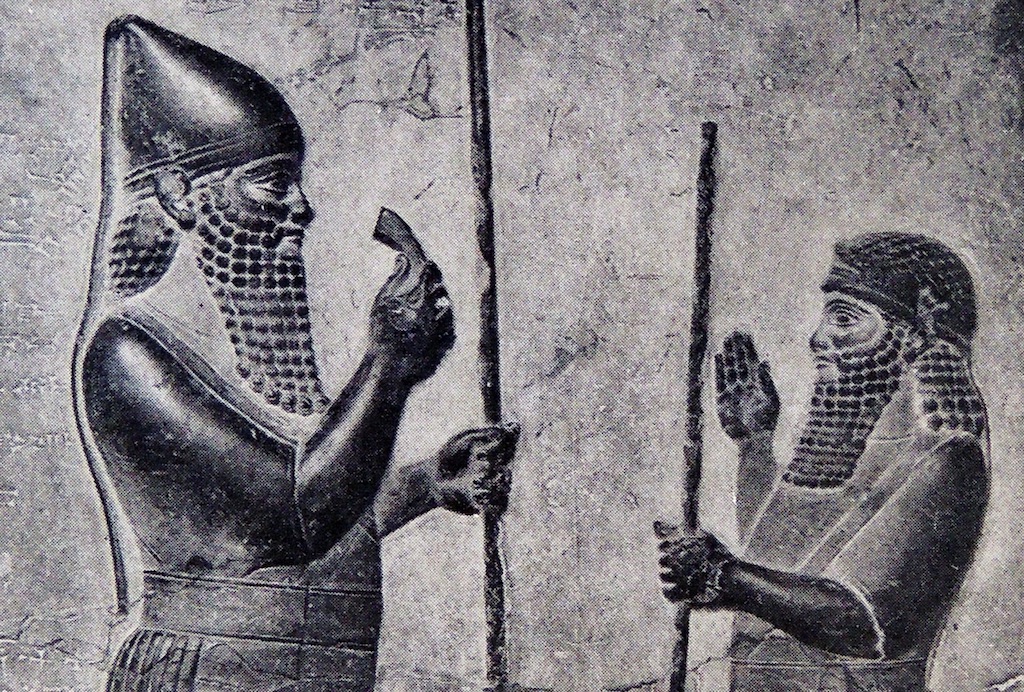
Detail from a Babylonian boundary stone depicting King Mardukpaliddin with one of his officials, 714 BC. (Universal History Archive / UIG via Getty images)
Debt is a fact of life — even as it’s proved one of the most persistent problems bedeviling our world. Your home, your consumer goods, your degree, and, if you live in the United States, your medical care — more than likely, all of it was made possible by going into debt. Periodic economic crises have been among the results. Whenever such crises emerge, there have been calls to forgive debt. But the powers that be and an army of commentators warn us any such efforts have to be limited and measured, lest they lead to chaos and disorder.
Michael Hudson has a different view. A former economist for Chase Manhattan Bank and advisor to various governments, including Washington, Hudson wrote the highly influential Super Imperialism, explaining how the emergence of an international monetary system based on the dollar in the postwar era ended up helping the US finance limitless military spending.
Now a professor of economics at the University of Missouri-Kansas City, Hudson has delved into archaeology to try and find the origins of debt and private property. He spoke to Jacobin’s Branko Marcetic about the results of this research, the 2018 book . . . and forgive them their debts: Lending, Foreclosure, and Redemption from Bronze Age Finance to the Jubilee Year. The work covers everything from debt forgiveness in ancient societies to how much of what we know about Christianity is wrong. The conversation has been edited for length and clarity.