It’s a Wonderful Life vs. the FBI
Amid Cold War paranoia, J. Edgar Hoover’s FBI set its sights on a potential source of communist subversion: Frank Capra’s Christmas classic It’s a Wonderful Life.
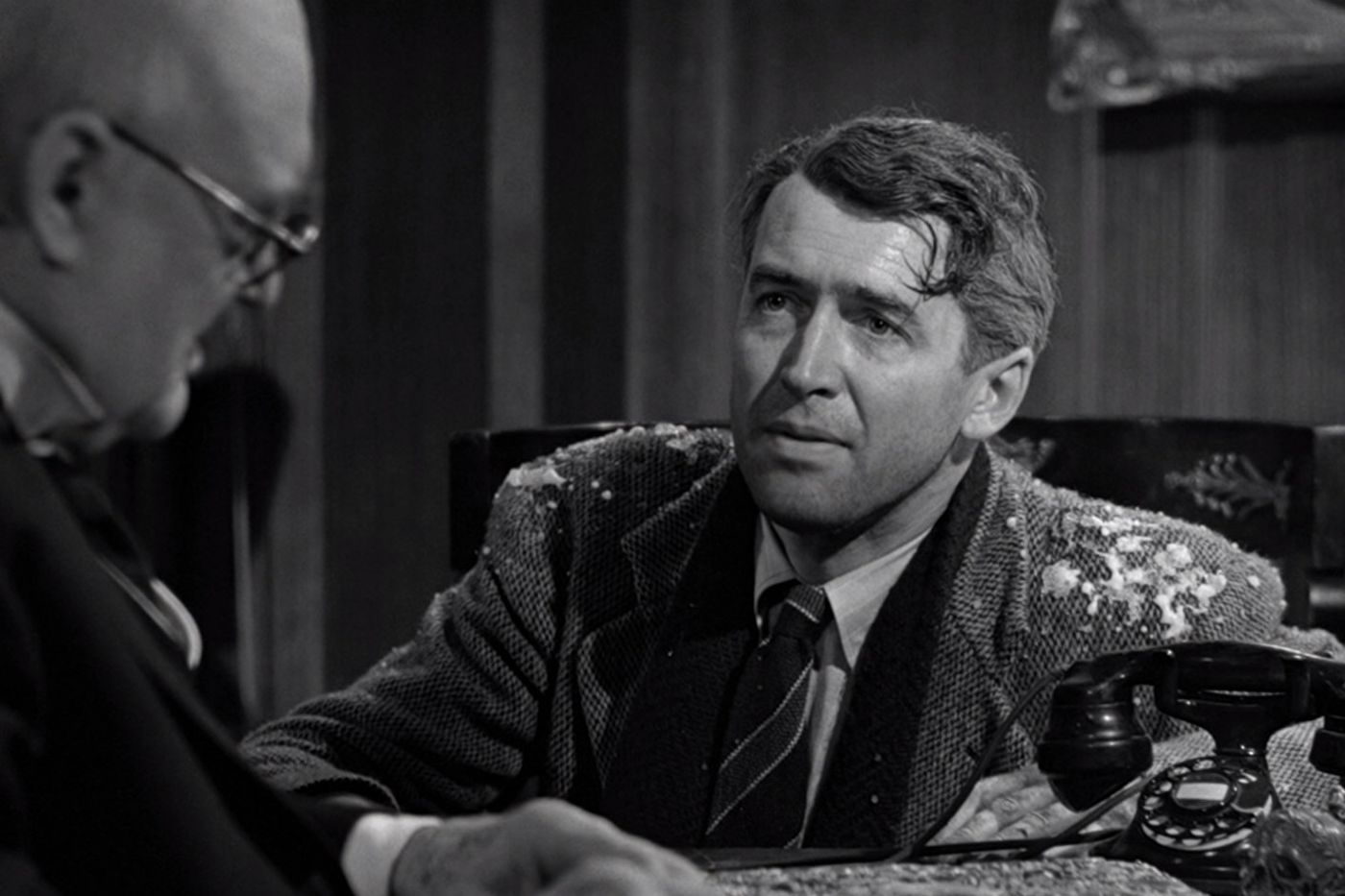
Jimmy Stewart plays George Bailey in the 1946 film It’s a Wonderful Life. (RKO Radio Pictures)
Few could confuse Christmas cheer with communist subversion quite like J. Edgar Hoover. The FBI director’s campaign to expose Soviet sympathizers among the postwar Hollywood elite is well documented, but his Bureau’s preoccupation with festive family favorite It’s a Wonderful Life as a suspected Trojan horse for disseminating red values to Middle America is a particularly absurd, and seasonally appropriate, episode to remember.
A report from the FBI’s Los Angeles field office shows that, from 1942 to 1958, more than two hundred Hollywood features were investigated by the Bureau with the help of film industry informants. Both the content of the films and the personnel involved in their production were scoured for signs that they may have been transformed into “weapons of Communist propaganda.” American picture houses were, according to Hoover and his investigators, one of the key grounds on which the USSR and its allies planned to fight the Cold War.
Many of the films investigated had overtly militaristic or political themes that FBI agents deemed to be promoting communist ideals or undermining American principles. Herbert Biberman’s 1942 flick The Master Race, in which three military officers — a confident, manly Russian, an overweight American, and a simpering Brit — attempt to jointly govern a formerly Nazi-occupied Belgian town is an obvious pick.