Germany’s New Government Is in Thrall to Neoliberal Hawks
Today, the Social Democrat Olaf Scholz became leader of Germany’s new government. But with fiscal hawk Christian Lindner in charge of the finance ministry, there’s little hope of Germany — or Europe — breaking free of neoliberal dogmas.
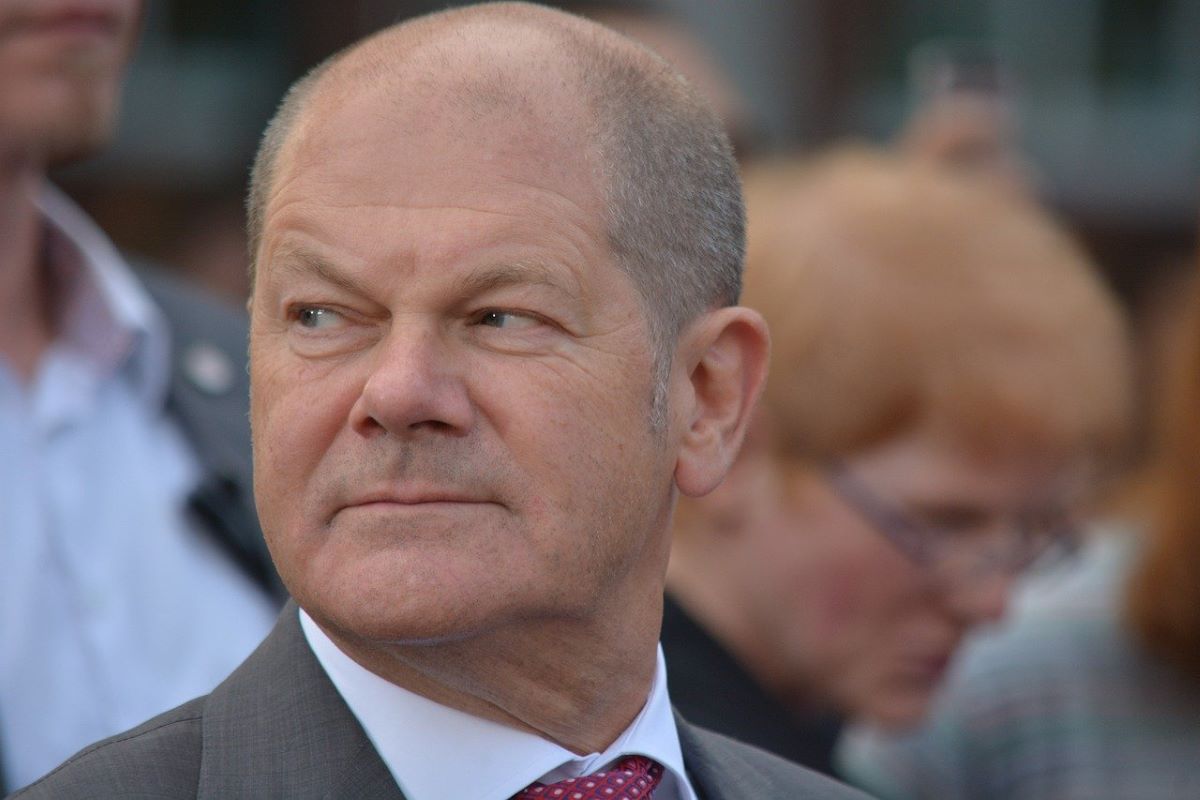
Incoming German chancellor Olaf Scholz, of the Social Democratic Party. (fsHH / Pixabay)
“Dare more progress,” proclaims the title of the coalition agreement sealed by Germany’s Social Democratic Party (SPD), Greens, and liberals. The new administration — formally taking office today — is trying to encapsulate a particular Zeitgeist for modernization, after sixteen years of social and climate-policy gridlock under Angela Merkel’s rule.
The title is also something of a nod to the past: West Germany’s first Social Democratic chancellor Willy Brandt gave his 1960s social-liberal administration the motto “dare more democracy.” But if he knew this slogan was now being perverted in this way, he would probably be turning in his grave. For the newly formed “Alliance for Freedom, Justice, and Sustainability” decisively bears the hallmarks of liberal influence — or rather, the power of market radicals.
Paradoxically, this free-marketeer takeover goes unnoticed because its narrative of “progress” fits perfectly into the program of incoming chancellor Olaf Scholz, himself an SPD grandee. In his previous post as finance minister in a grand coalition, Scholz was most loyal to Chancellor Merkel — probably even more so than her conservative ministers. She entrusted Scholz with the financial brief because she knew he was on the same page as her own party: austerity when needed, state spending only during crises.