We Need More Radical Climate Fiction
Literature has seen an uptick in "cli-fi," fiction about possible climate dystopias and utopias. But too much of that climate-change-related fiction lacks any kind of radical political imagination.
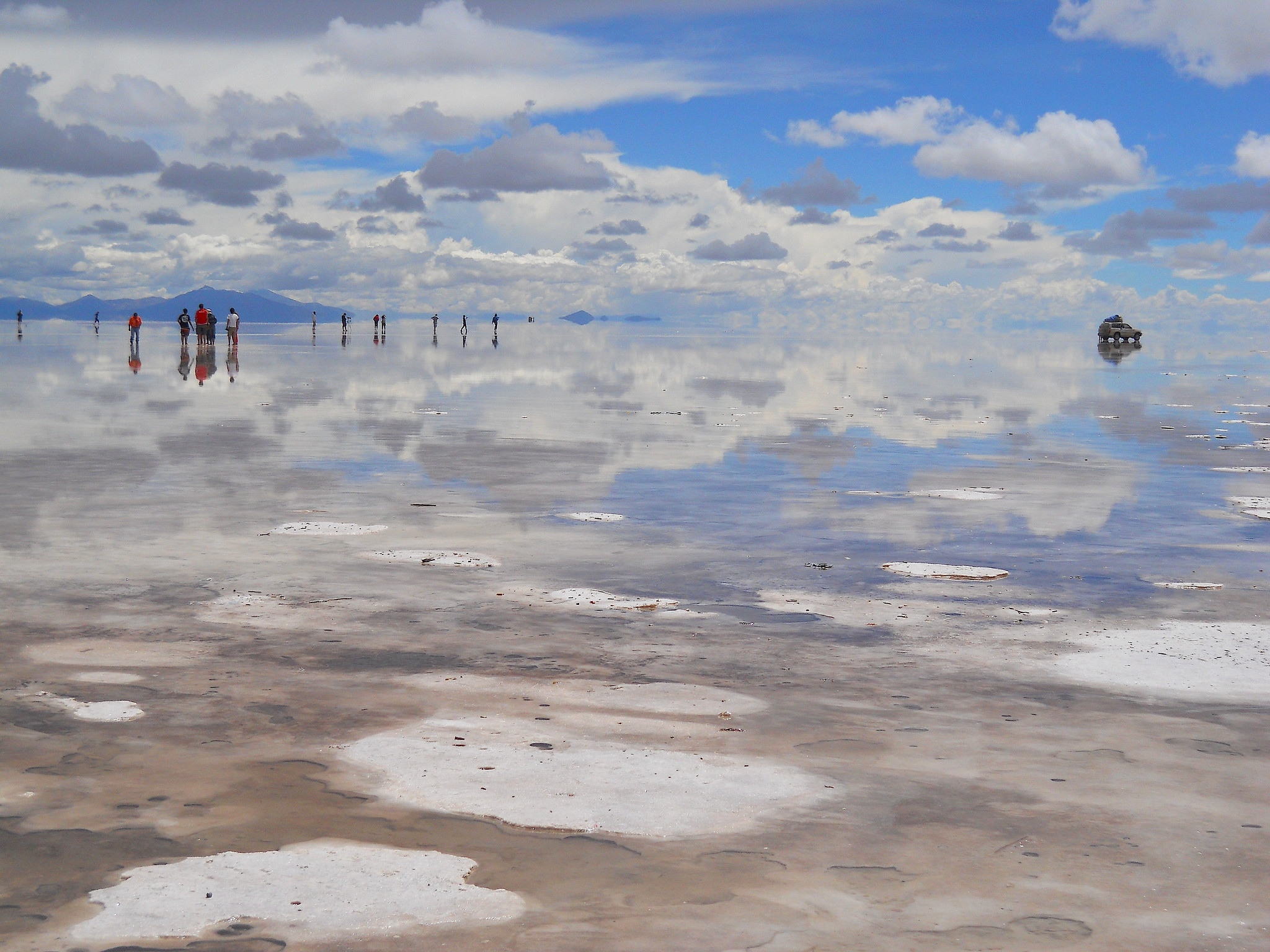
Bolivian salt flats. (Psyberartist / Flickr)
It will take imagination and vision for humans to survive the climate crisis — a willingness to believe in things that seem impossible. Most climate-focused art emphasizes the urgency of the crisis, which is needed, but it’s more compelling to see artists imagining our survival, even how we might thrive. To that end, early this year, Grist magazine announced a climate fiction contest, Imagine 2200, and published the winning stories as an online collection last month. Most of the stories that were selected are compelling, intimate, and surprisingly hopeful, and they’re often brilliantly specific in imagining yet-unrealized technology and innovation, as well as human societies that are more harmonious with nature. They are, however, light on the political backstory of how these better worlds emerged and what kinds of economic and social arrangements sustain them.
In literary terms, the sensibility of Imagine 2200 can be traced to several artistic movements. “Futurism” originated as an early-twentieth-century Italian visual art movement preoccupied — and excited — by technology, and the term has referred ever since to creative efforts to imagine the future. One of the most dynamic of these has been Afrofuturism (which imagines, often playfully, a sci-fi-themed future infused by black culture and centering black people).
These imaginings haven’t always been leftist: though their aesthetic was cool, many of the Italian futurists later became fascists. (Some of the Russian futurists welcomed the Bolshevik Revolution as a step away from the aristocratic and peasant traditions they deplored, but for the most part, the Soviet Communist leadership did not welcome the movement, and Russian futurism fizzled out in the 1920s.)