Ken Burns Talks to Jacobin About the Revolutionary Muhammad Ali
The new four-part PBS documentary Muhammad Ali, codirected by Ken Burns, examines the life of the legendary boxer and antiwar radical. Burns talks to Jacobin about how a kid from Kentucky named Cassius Clay became “the spirit of the 20th century.”
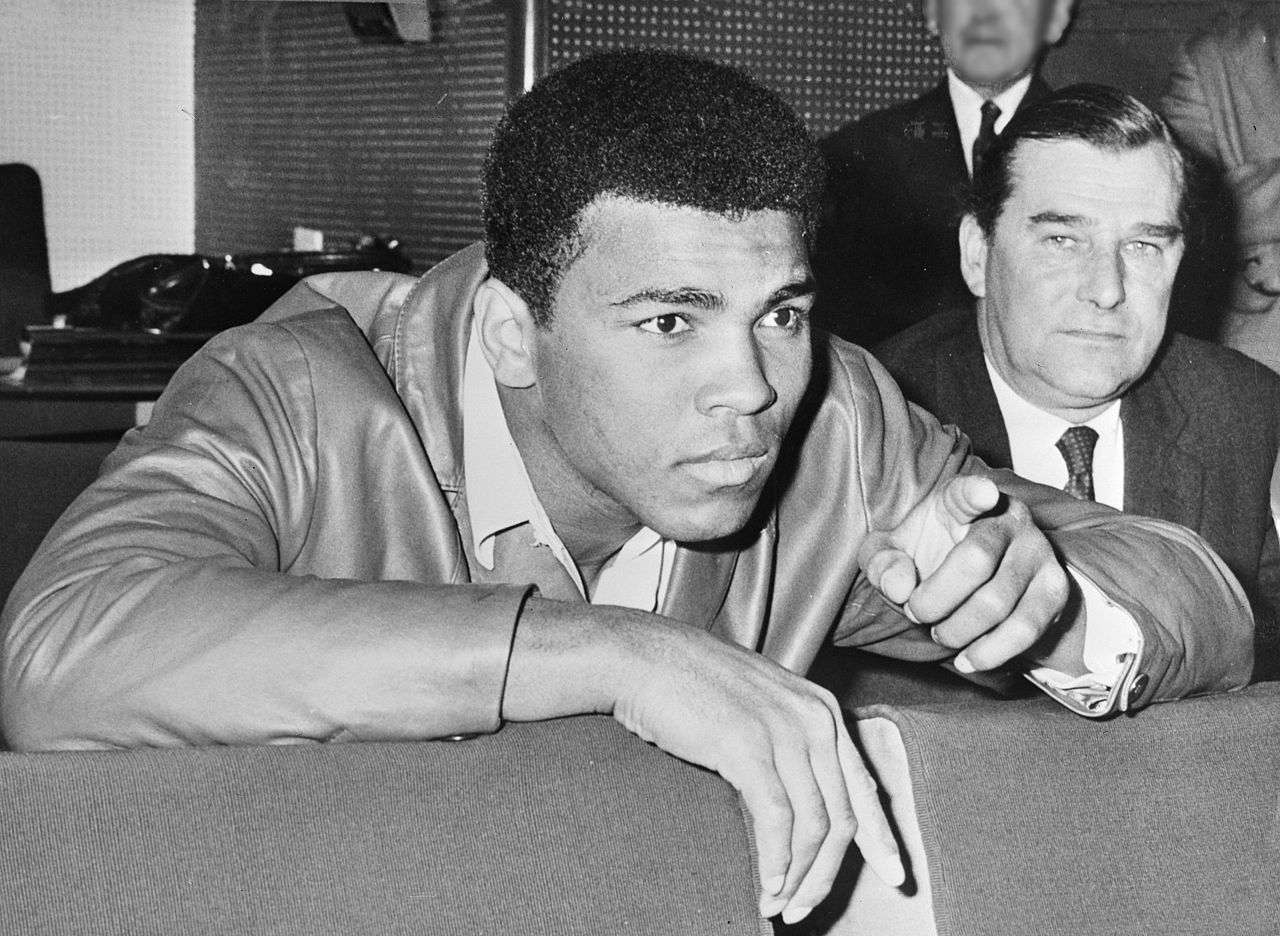
Muhammad Ali in 1966. (Dutch National Archives)
The new four-part documentary Muhammad Ali, codirected by four-time Emmy winner Ken Burns, Sarah Burns, and David McMahon, is arguably a stand-up-and-cheer masterpiece. Premiering on September 19 and told over four consecutive nights on PBS, Burns and company will chronicle the life of the three-time champ — not only “the Greatest” boxer but a poet, a comedian, and the epitome of the athlete/activist, who fought his most heroic battle out of the ring.
As a boxer’s biopic, Muhammad Ali includes exciting, copious coverage of the legendary bouts, from the 1960 Olympics in Rome, to the early Sonny Liston matches, to the “Rumble in the Jungle” in Zaire against George Foreman, to the “Thrilla in Manila” with “Smokin’ Joe” Frazier, and beyond. Burns and his codirectors do not shrink from the fact that pugilism is an extremely violent sport, and some, especially children, may find the visceral fighting hard to watch.
However, cocreated by the team that made PBS’s 2012 The Central Park Five and 2016’s Jackie Robinson (for which Sarah Burns and McMahon shared an Emmy for Outstanding Writing for Nonfiction Programming), the artistically rendered Muhammad Ali is far more than merely an entertaining sports documentary.