Ernest Hemingway Was a Leftist Who Was Hounded By the FBI
Ken Burns and Lynn Novick’s PBS docuseries Hemingway sheds new light on writer Ernest Hemingway's life. But it leaves out key details of his left-wing political convictions — including the FBI surveillance that haunted him until his suicide.
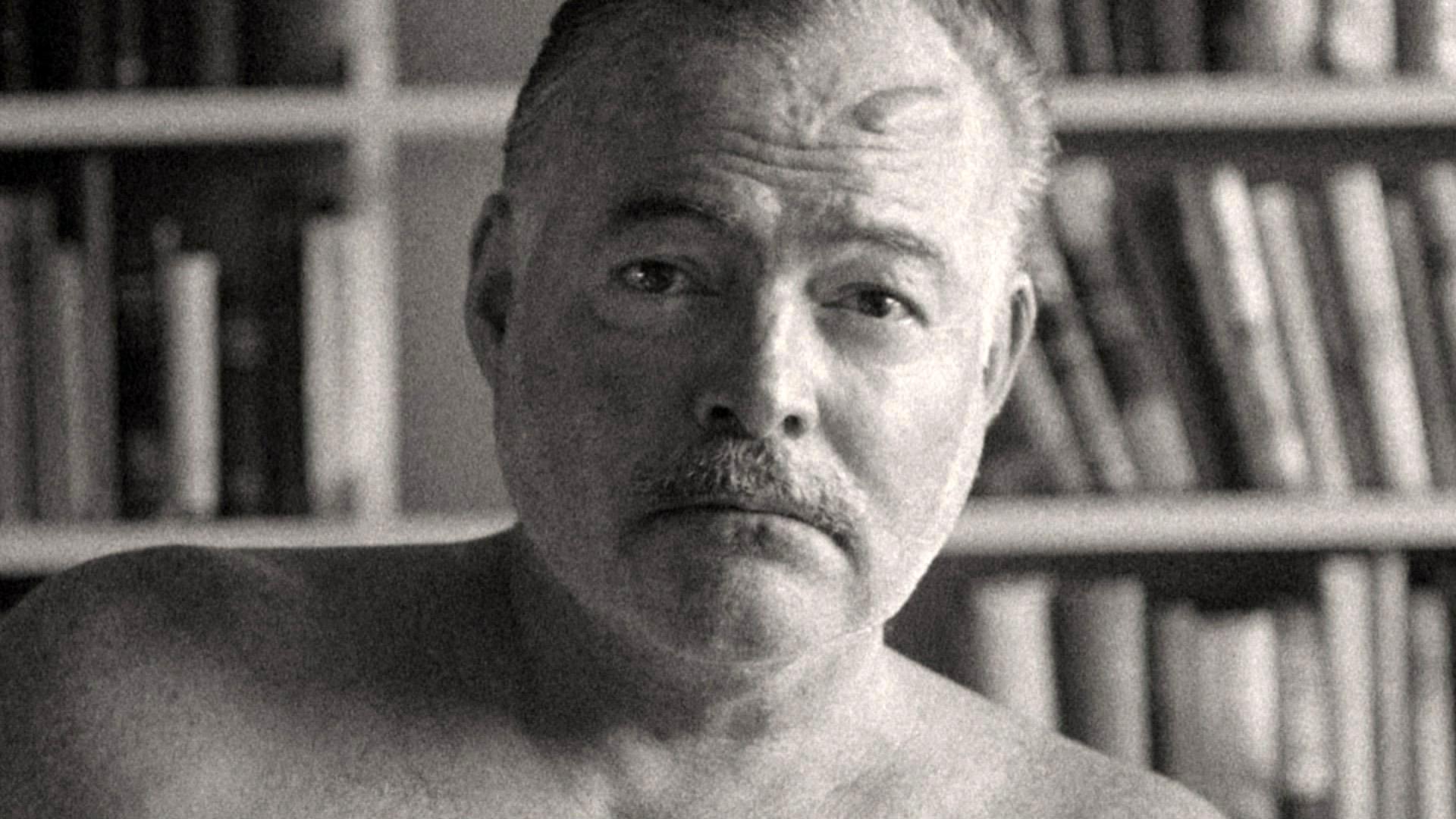
(PBS)
It helps to know that Ernest Hemingway was afraid of the dark. After having been badly wounded in the First World War, he had to keep the light on all night, every night at home, and his sister would sometimes have to sit up with him just to keep him calm. It had been a night battle when he was shot, and he said he felt his soul depart from his body and then mysteriously return. Afterward, he felt sure that if he found himself in total darkness again, his soul would leave his body permanently.
Young Hemingway, as presented in the first episode of the three-part PBS series Hemingway, directed by Ken Burns and Lynn Novick, is actually an interesting figure — a big, ungainly guy most comfortable out in nature, struggling in an odd, troubled family prone to mental illness and suicide. He first tries to find his way as a reporter, then as a writer. It covers the time before he developed the outsized persona he’s best known for, the hard-drinking, two-fisted, he-man writer forever attending bullfights and shooting off his mouth about the weaknesses of rival writers and getting photographed grinning over large, beautiful animals he’d shot. That persona, which made him rich and famous, as well as oppressively egotistical, is explored in the second episode. The third episode covers how the same persona helped exacerbate his alcoholism and mental illness, which eventually led him to suicide.
The series approaches Hemingway with the tone of solemn, even lugubrious reverence that Ken Burns is known for, as if everyone still agreed wholeheartedly that Hemingway was the greatest American writer of the twentieth century, which as far as I know is by no means the case.