Ken Burns Talks to Jacobin About the Radical Ernest Hemingway
From fighting alongside communists in the Spanish Civil War to backing revolutionaries in Cuba, documentarian Ken Burns shows us the radical side of writer Ernest Hemingway in the new PBS docuseries Hemingway. Burns talks to Jacobin about Hemingway’s forgotten left-wing politics and why the writer still matters.
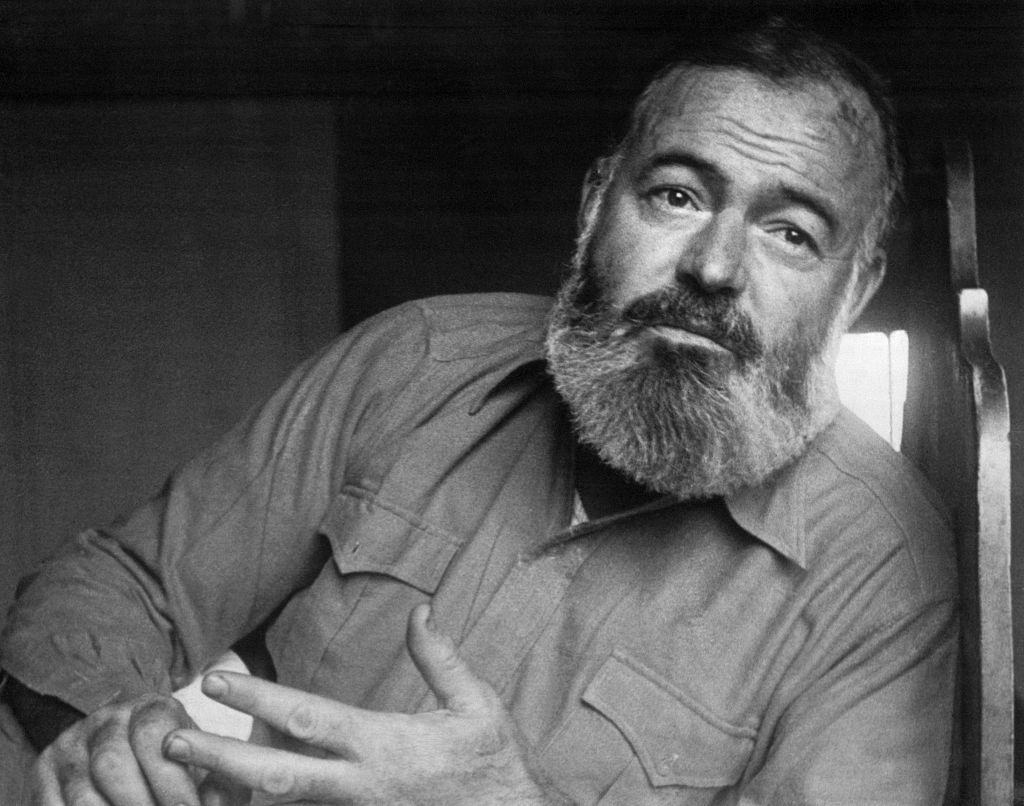
Portrait of Ernest Hemingway (1898–1961), American journalist, novelist, and short story writer, in 1940. (Getty Images)
Ken Burns, the maestro of documentary television, is back with Hemingway, a new three-part, six-hour series for PBS, codirected with longtime collaborator Lynn Novick. Their biopic chronicles Pulitzer Prize winner Ernest Hemingway’s life, work, loves, travels, and causes with archival footage and original interviews with Peruvian novelist Mario Vargas Llosa, as well as the author’s son Patrick Hemingway and, surprisingly, Senator John McCain, among others.
Burns has won four Emmys and been nominated for nine more, as well as for two Oscars, for documentaries including Huey Long (1985), The Civil War (1990), Baseball (1994), and The Dust Bowl (2012). Often working with producer/director Novick, these films have been imbued with social awareness and stamped by cinematic storytelling techniques.
Burns and Novick bring their talents to Hemingway, with cinematic vignettes detailing “Papa’s” famed globe-trotting exploits across Paris, Spain, Key West, Cuba, and Africa. But Hemingway also focuses on the writer’s active participation among the political left, using his renown and literary gifts as a novelist and journalist to try to “write” the wrongs of the Depression and fascism.