What Muhammad Ali Believed
Muhammad Ali's political life was as frustrating and contradictory as it was principled and selfless.
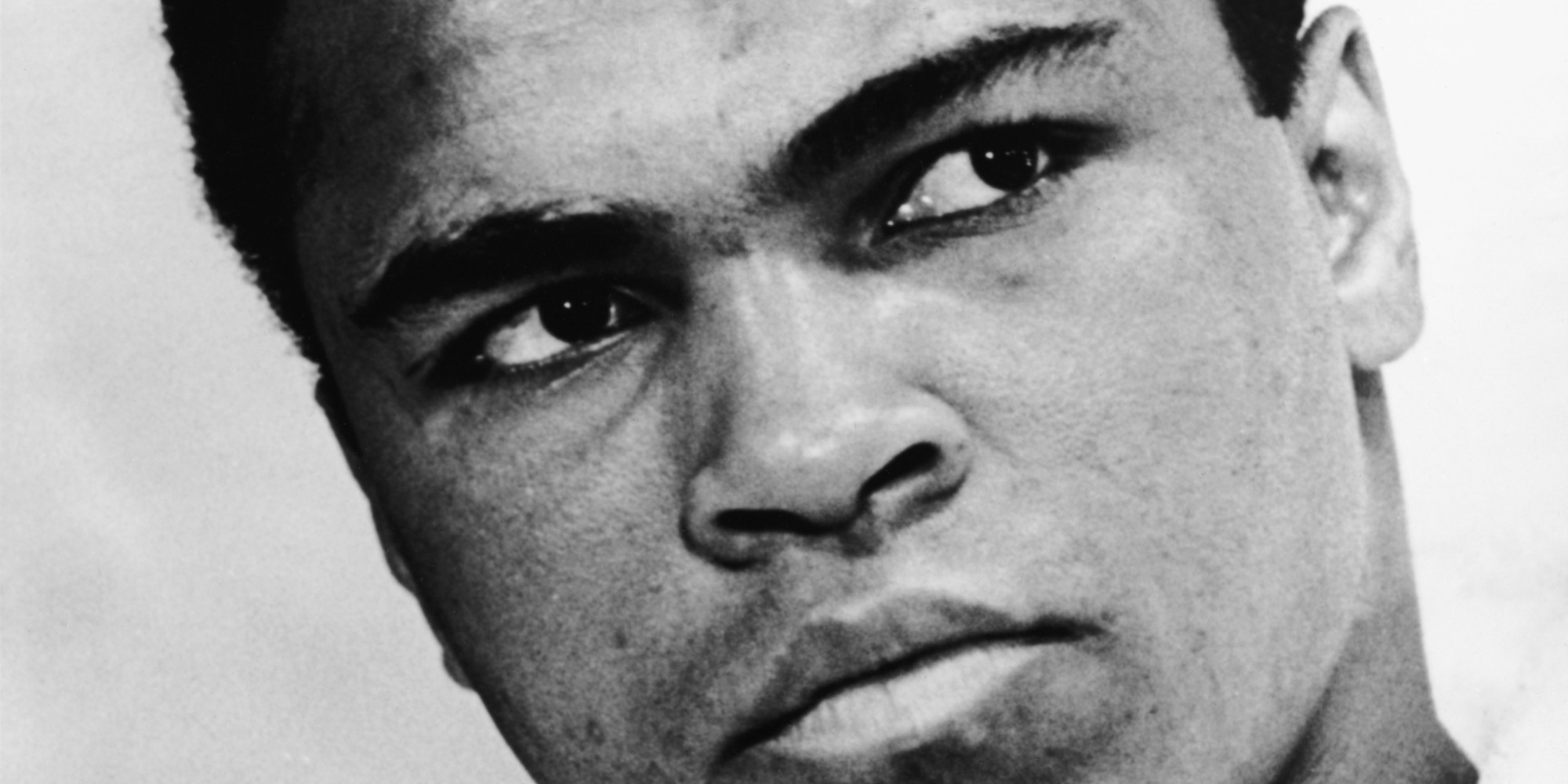
World heavyweight boxing champion Muhammad Ali (born 1942) in 1967. Photographed by Ira Rosenberg.
Some of the most indelible images of Muhammad Ali come from his 1974 trip to the Congo. He was the feted guest of dictator Mobutu Sese Seko — who renamed the country Zaire in 1971 — for the spectacular “Rumble in the Jungle” title bout with heavyweight champion George Foreman.
The fight exemplified Ali’s boxing smarts. It was there that he debuted his “rope-a-dope” strategy to defeat Foreman in eight rounds. More significantly, however, Ali framed it as a demonstration of black pride: an African government hosted the fight; black pilots flew him there, and his trip amounted to a kind of homecoming for a descendant of African slaves.
Some of America’s and Africa’s top black musical talent — James Brown, B.B. King, Miriam Makeba, Manu Dibangu, and others — headlined a massive concert to accompany the fight. All the while, Ali reveled in the love and support of ordinary people wherever he went.