PayPal and the ADL: A Match Made in Censorship Hell
PayPal has announced a partnership with the Anti-Defamation League to defund extremist and hate movements. The problem is that, for the ADL, that often means groups fighting against Israeli apartheid.
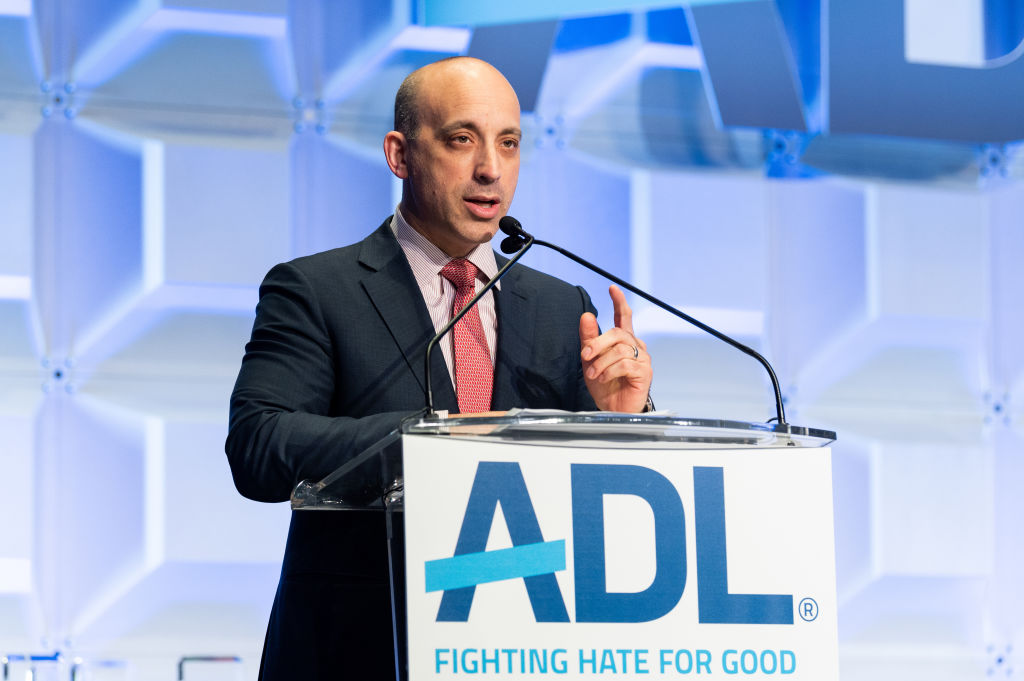
Jonathan Greenblatt, CEO of the Anti-Defamation League, speaks in Washington, DC, in June 2019. (Michael Brochstein / SOPA Images / LightRocket via Getty Images)
A few weeks ago, PayPal and the Anti-Defamation League announced a joint project focused on “uncovering and disrupting the financial pipelines that support extremist and hate movements.” As the ADL’s CEO Jonathan Greenblatt explained, after first looking into how these movements use services like PayPal, the collaboration will aim to ultimately bar them from these platforms and starve them of funds, focusing on everyone “from those who marauded through the Capitol to those who were beating up Jews in broad daylight just a few months ago.” Sounds pretty uncontroversial. Who could possibly be against that?
Except the trouble, as it always is when it comes to measures like censorship, is that the people doing the censoring usually have a very different definition of what an “extremist and hate movement” is than you, the reader, does. For them, it might be someone who talks about “revolution” or “eating the rich,” someone who protested against police brutality last year, or simply groups and people that fight for the rights of Palestinians.
In fact, this exact thing has already happened once before with PayPal, which has been banning and cancelling the accounts of various groups and individuals over the last few years. In 2018, the company came under fire when, alongside its ban of the far-right Proud Boys, it also threw in the accounts of several anti-fascist groups for good measure. Just like when Reddit included a host of left-leaning subreddits in its purge of violent and hateful content last year, these platforms have a commercial interest in appearing to be equally opposed to extremists on “both sides,” even when one of those sides is violent racists like the Proud Boys and the other is people who oppose and confront those racists.