The Workers’ Wimbledon
Tennis has often been considered an exclusive sport — but in the 1930s, trade unionists came together to challenge the private clubs with their own tournament: the “Workers’ Wimbledon.”
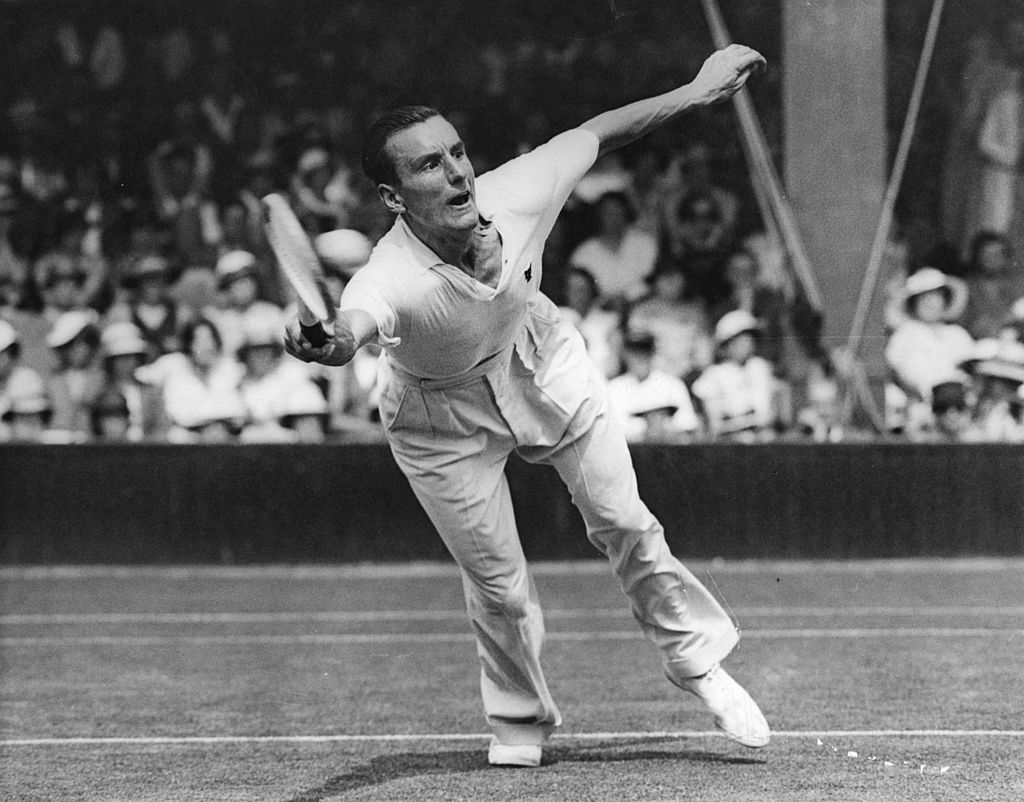
English tennis player Fred Perry, who was from a trade union family, plays during the 1935 Wimbledon championship. (Central Press / Getty Images)
This weekend, the final matches of this year’s Wimbledon will take place at the All England Club, an exclusive private club at which you can forget about ever becoming a member. In the Royal Box will be Hollywood stars, social media entrepreneurs, and hedge fund fixers, and all around the ground will be the unmistakable scent of prosperous shire and wealthy English suburb. The image of tennis as a sport of the establishment will once more be reaffirmed.
But that image is misleading. Tennis is a far more progressive sport than it appears from the pictures of Wimbledon on our television screens, and it always has been. In its 150-year history, the sport has constantly attracted individuals who were mavericks in their thinking and oppositional in their behavior.
Margaret Marshall, the wife of William Marshall, the runner-up at the first Wimbledon Championships in 1877, was one of many early players who were ardent suffragettes. Frederick Pethick-Lawrence, one of the keenest of them, spent nine months in prison for his active support of the cause. He was subsequently a minister in two Labour governments. Many of the great champions like Leif Rovsing, Alice Marble, Arthur Ashe, Billie Jean King, and Venus Williams have seen tennis not just as an enjoyable sport but as a site of struggle for freedom, fairness, and equality. Underneath its conservative veneer, tennis has long been a surprisingly radical game.