How Teachers Won the Right to Get Pregnant
In the early twentieth century, teachers were prohibited from keeping their jobs after getting pregnant. Socialist feminists organized to successfully change that.
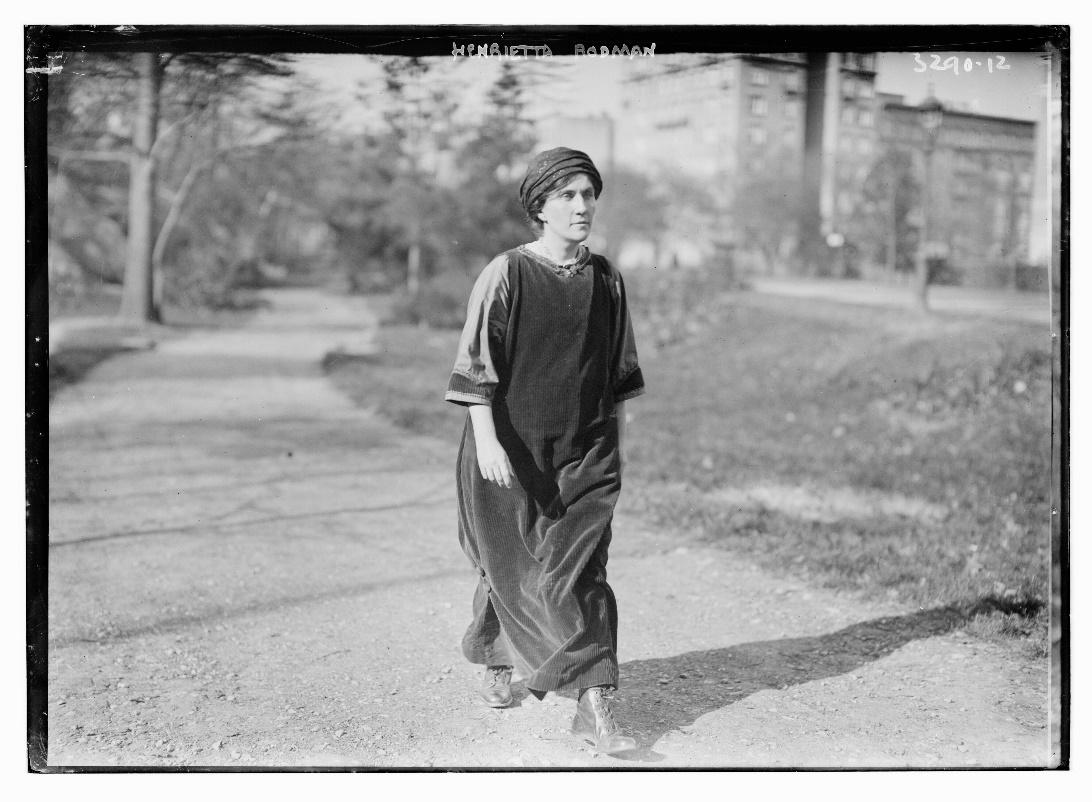
Socialist feminist and prominent Greenwich Village radical Henrietta Rodman was a high-school teacher who championed the rights of women teachers to marry, have children, and exercise freedom of speech, c. 1914. (Library of Congress)
In the year 1913, when the Teachers’ League formed, the word feminism broke through in American culture. These developments were more directly related than is generally appreciated. Early in 1913, at its inception, the Teachers’ League established a committee on the status of married women chaired by executive committee member Henrietta Rodman. Teaching was often undertaken by young, unmarried women expected to resign should they marry. In New York, the supposition that women teachers would be “inefficient” in their professional duties if distracted by obligations to husband and children — and, conversely, that married teachers working outside the home would neglect their maternal and wifely duties — led the Board of Education to forbid the hiring of married women, allow women teachers to marry only after a definite period of service, and discourage motherhood.
In 1913, Bridget C. Peixotto, a married teacher at PS 14, Bronx, was discharged for going absent from school to give birth. “Time was when women who married and took up the burdens of the conjugal relation expected thereafter to devote themselves to the care of their children,” editorialized the New York Times, lamenting that “our public school system is a victim of that comparatively new and distressing malady called feminism.” Peixotto appealed in the courts while other teacher-mothers resigned in fear and the Board of Education identified fourteen more elementary and two high-school teachers for discharge.
The circle around the American Teacher editorialized for the right of these women to keep their positions in the belief, as Sophie Matsner Gruenberg expressed it in the Socialist Call, that “anything that interferes with the normal sexual or maternal life of women is socially undesirable.”