Debunking the Economist’s Myths of Free-Market Liberalism
The Economist’s liberalism is often framed as the politics of human rights and individual freedom, but its origins lie just as much in a fear of the masses and democracy.
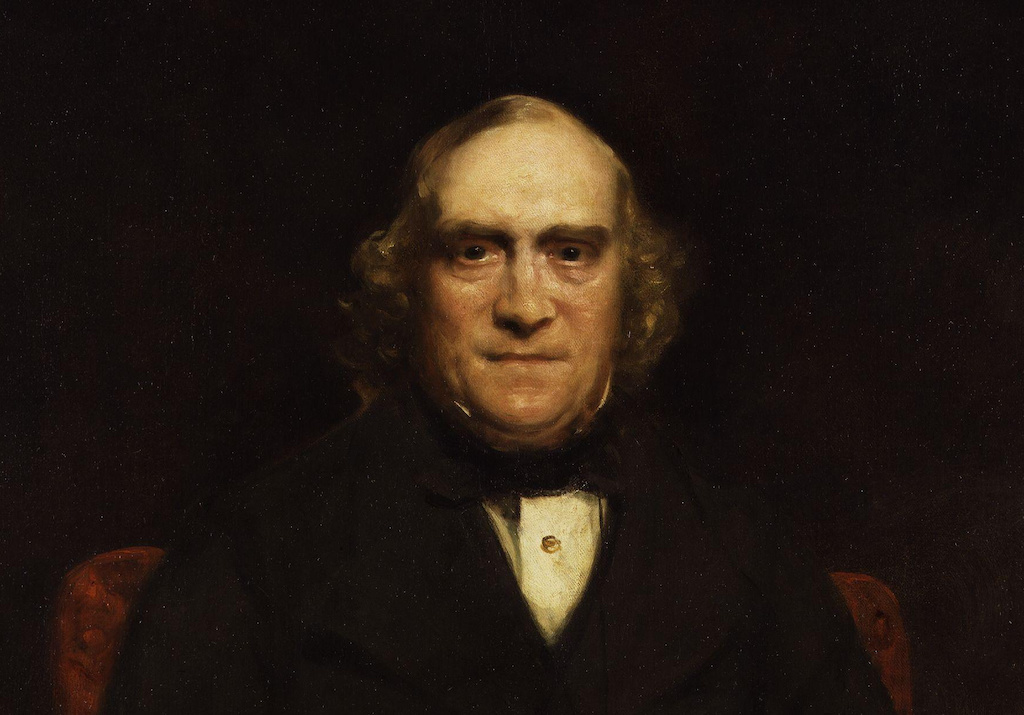
Portrait of James Wilson, the founder of the Economist. (Wikimedia Commons)
Marx once called the Economist “the tribune of the aristocracy of finance.” As a dominant magazine amongst elite liberalism, it has played an important role in shaping and promoting the ideology of liberalism, through its changes and continuities, from its founding in 1843 to today.
Alexander Zevin, assistant professor of history at City University of New York and editor at New Left Review, recently published a new book, Liberalism at Large: The World According to the Economist, which delves into the history of liberalism through the lens of looking at the Economist.
Recently, on an episode of Tribune’s podcast, A World To Win, Tribune’s Grace Blakeley sat down with Zevin to discuss the history of liberal ideology, whether it’s in crisis — and where the liberal rules-based world order goes next.