The Academic Culture War Comes to Denmark
Denmark’s parliament has condemned campus radicals’ political agenda for “undermining scholarly inquiry.” But the mainstream use of disciplines like economics shows that scholarship has always been political — the powerful just don’t like research that challenges their interests.
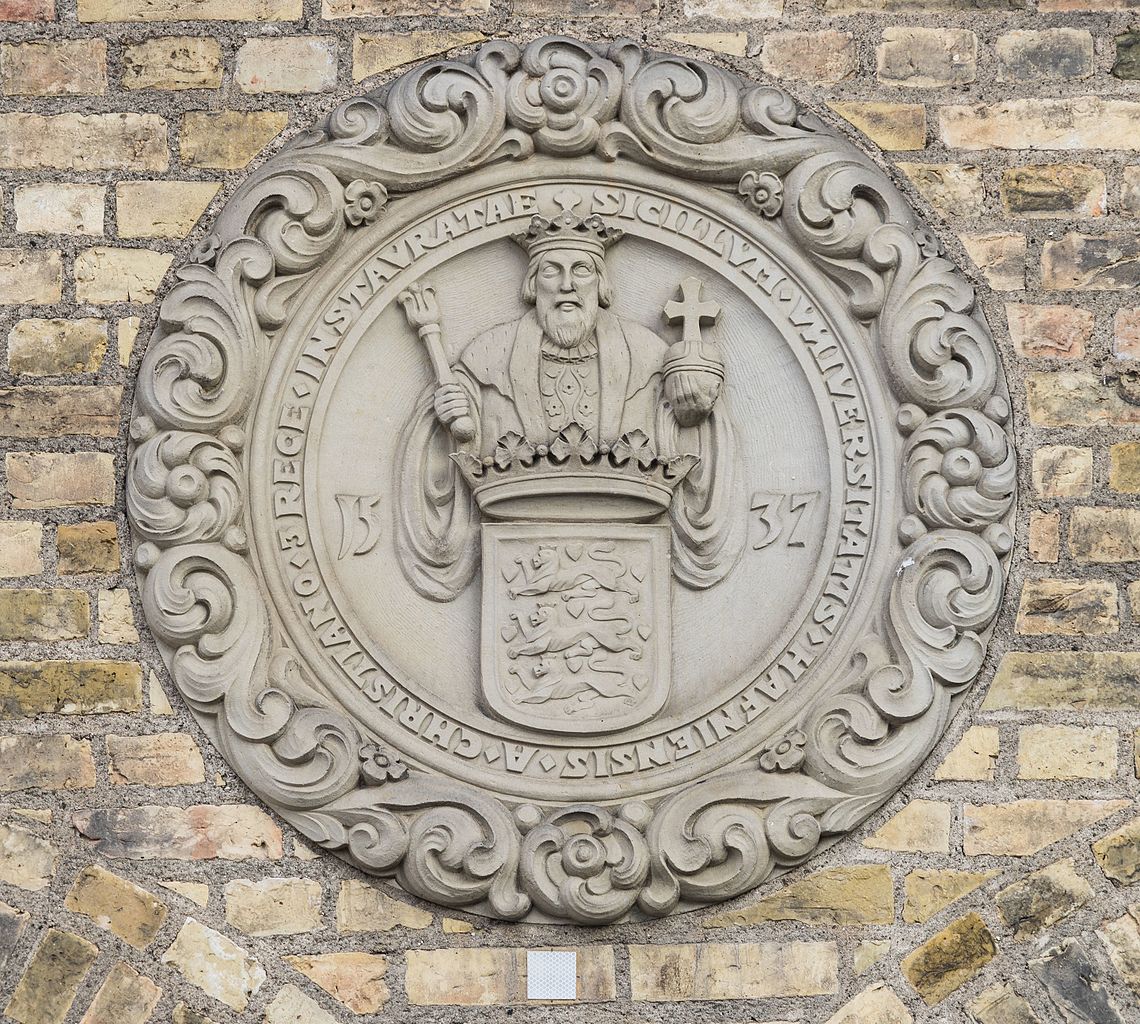
Seal of the University of Copenhagen. (Jebulon / Wikimedia Commons)
In the final days of May, Denmark’s parliament passed a motion damning “excessive activism in research environments.” The text, supported not just by a unanimous right wing but also by the governing Social Democrats, expressed parliament’s “expectation that the University leadership will ensure the self-regulation of scientific practice” — meaning, “politics must not be dressed up as science, and it must not be possible to systematically avoid legitimate academic critique.” Both the motion and its sponsors’ comments insinuated that universities had been failing to live up to this responsibility — in particular when it comes to what critics (seemingly interchangeably) call gender, migration, whiteness, and postcolonial studies.
Unsurprisingly, the text prompted a chorus of opposition from scholarly circles. Denmark’s university rectors issued a joint statement in protest, the two main scientific societies warned against political meddling, and multiple petitions have been launched against a motion perceived as an underhand attack on freedom of research.
On the face of things, both sides seem to agree on one fundamental ambition: that researchers should be able to pursue critical and scientific knowledge, as free from external political constraints as possible. But while politicians insist that they fear that identitarian currents are destroying self-regulating research communities, the academic sphere itself more or less collectively saw this as something quite different — a sinister excuse to further muffle critical research agendas.