Despite Everything, Queer Leftists Survived
The history of queer liberation movements is often talked about as distinct from the history of the Left. But in the first half of the twentieth century, queer people were abundant among American radical leftists — decades before the rise of an organized mass movement for gay rights.
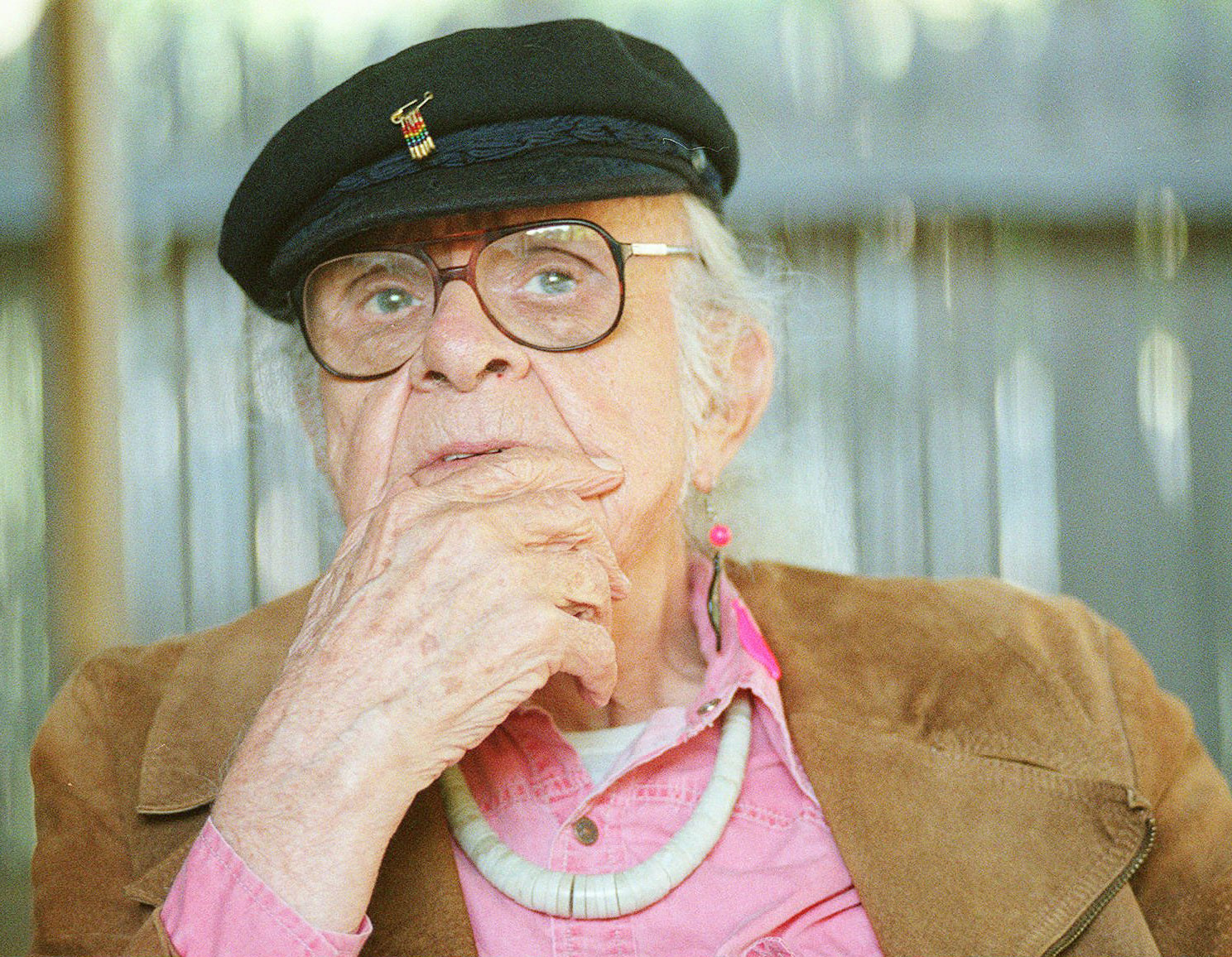
Harry Hay, communist, gay rights activist, and cofounder of the Mattachine Society, in 1996. (Rachel Ritchie — KRT/Newscom via Britannica)
Back in October, a mini-viral tweet asked writers, “Give the worst possible elevator pitch for your book.” Aaron S. Lecklider, a professor of American studies at the University of Massachusetts Boston, replied, “Queer people actually were national security risks.”
The jokey tweet alludes to a violent history: that of the “Lavender Scare,” the mid-century moral panic in which federal and state officials purged thousands of queer people from government employment on the grounds that “sexual perverts” were “perhaps as dangerous as the actual Communists,” as one Republican politician put it in 1950. The Lavender Scare — intimately connected to but ultimately distinct from the McCarthyite “Red Scare” — contributed immensely to hateful popular understandings of queerness as a psychological disease and a danger to “normal” people.
It also led much of the burgeoning gay rights movement to insist that queers were not dangerous — at least, so long as they were clean-cut, white, bourgeois, and conformed to conventional gender norms.