Mother’s Day Has Deeply Radical Roots
Yes, you should absolutely call your mom today. But you should also know that Mother’s Day isn’t just a holiday for greeting card and chocolate companies to make a buck, but of radical antiwar and feminist organizers.
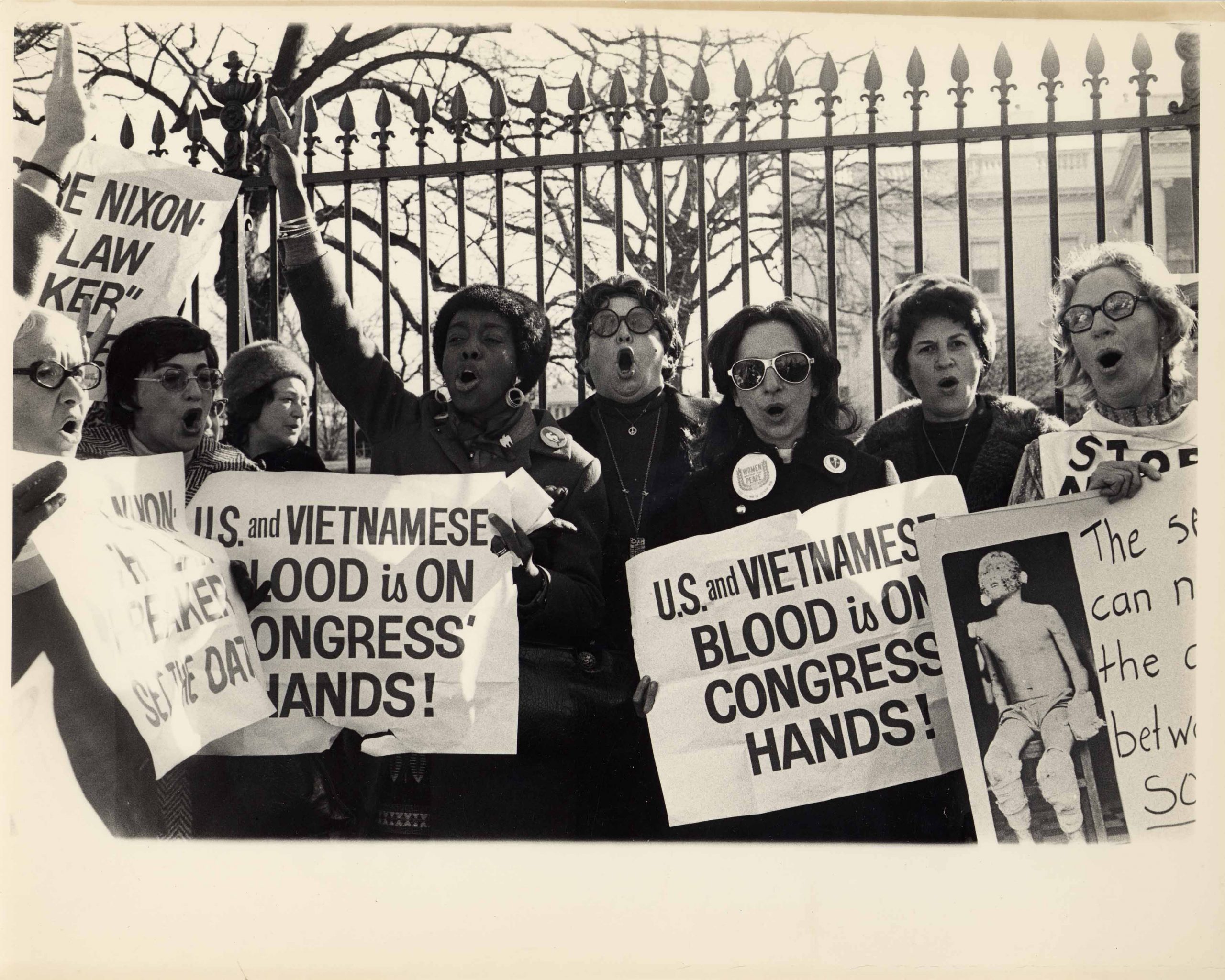
Women Strike for Peace activists at a Censure Nixon rally in Washington, DC, on January 18, 1972. (Dorothy Marder Collection / Swarthmore College)
Mother’s Day is known to most Americans as a day when you should call your mom. And you probably should! But it also has a rich political history.
Mother’s Day began in 1858 when Ann Jarvis, an Appalachian housewife and mother to at least eleven children, organized “Mother’s Work Days” to improve sanitation, in a time when polluted water and disease-bearing pests were major causes of death in poor communities like hers. Jarvis was also a peace activist who organized Mother’s Day Work Clubs to care for soldiers on both sides of the Civil War.
When Ann Jarvis died in 1905, her daughter, Anna Jarvis, campaigned for an official Mother’s Day to honor her own mother’s lifelong activism. In 1914, her efforts succeeded: Congress passed a resolution making Mother’s Day official.