To Defend Public Health, We Need More Than Lockdowns
Across Europe, lockdown measures have slowed the transmission of COVID-19, but the consequences for precarious workers and those in poor housing conditions have often been bleak. A socialist response has to go beyond telling us to stay at home — it has to challenge the deeper inequalities the pandemic has exposed.
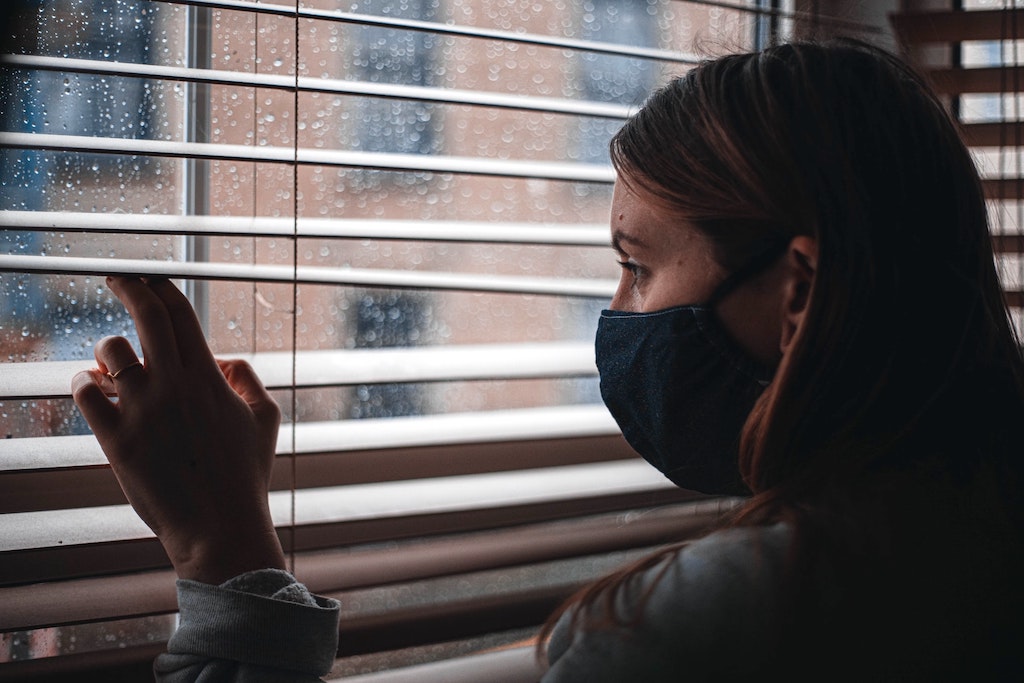
Philosopher Panagiotis Sotiris argues that the lockdown strategy is a “do nothing” approach to the pandemic, in the sense that by simply reducing mobility this will hopefully reduce mortality. (@hedgehogdigitaluk / Unsplash)
Over the course of the COVID-19 pandemic, state-imposed lockdowns have become a widely accepted public health measure around the world. For many on the Left, these restrictions on business, travel, and public gatherings have appeared as a vital part of a socialist response to the pandemic — their necessity prompting demands for massive government investment in wage support or universal basic income programs. Lockdowns seemed to have, at least, the potential to precipitate a break with neoliberalism.
Yet despite widespread acceptance of the policy, critics of lockdowns have raised a number of concerns. These range from the economic devastation wrought by large-scale shutdowns to the long-term health problems caused by school closures and the spike in mental illness brought about by social isolation.
On the Left, one of the most vocal opponents of the lockdown strategy has been the Greek journalist and political philosopher, Panagiotis Sotiris. For Sotiris, the Left’s acceptance of lockdowns has been a serious miscalculation. Far from offering a break with neoliberalism, the policy has done quite the opposite; by freezing our current social structure in place, they have prevented us from addressing the larger problems that the pandemic has raised, such as housing, income disparities, and workplace safety. Rejecting both calls to further securitize public health and attempts to downplay the scale of the health crisis, Sotiris has set out a response to the pandemic that he calls a democratic biopolitics.