South Africa’s Widespread Corruption Is the Rotten Fruit of Apartheid
The endemic corruption in South Africa isn’t about a few bad apples — it’s the rotten fruit of an apartheid era that enriched self-interested political elites at the expense of the black masses.
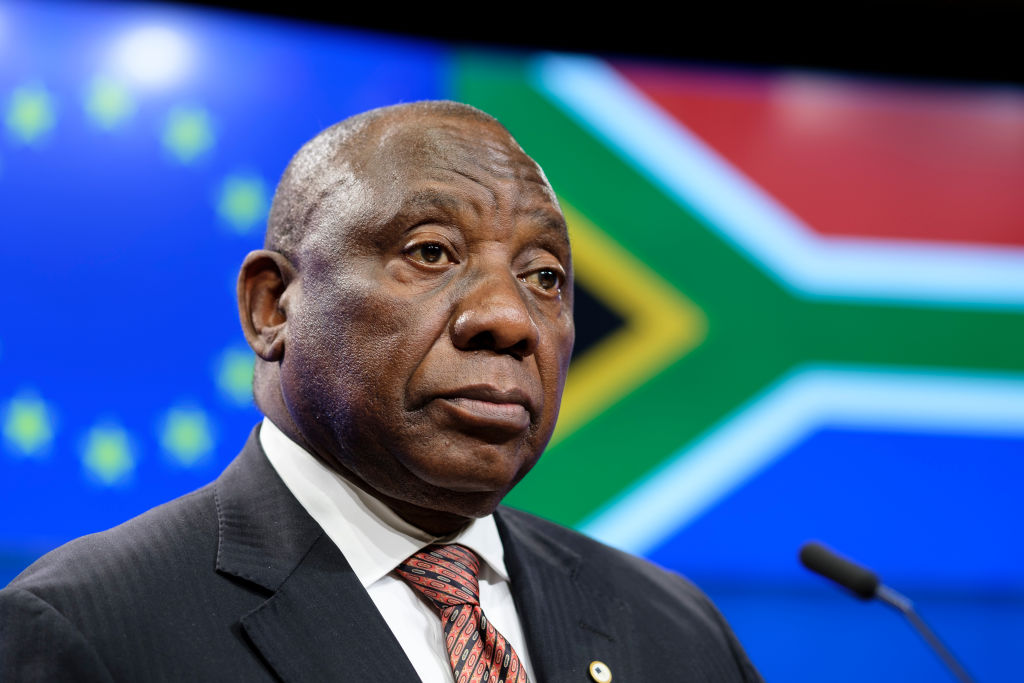
President of South Africa Cyril Ramaphosa on November 15, 2018. (Thierry Monasse / Getty Images)
Every week in South Africa, corruption dominates the headlines — with new arrests or scandals ranging from the dysfunctional local government right up to the presidency.
A case in point is Makhanda, my hometown in the Eastern Cape. Makhanda is located in the Makana municipality, where service delivery has collapsed due to corruption prompting the Unemployed Peoples’ Movement (UPM) to launch a successful court challenge against the municipality for its failure to meet constitutional obligations to provide sustainable services. Both the municipality and the premier of the Eastern Cape, Oscar Mabuyane, have appealed, and the case is now being heard in the Supreme Court of Appeal. Entrenched in the appeal is the culture of entitlement and self-enrichment.
Myriad reports on the extent of corruption in South Africa — from state capture to municipal malfeasance — have flooded print and broadcast media for the past decade. There has been a tendency to reduce the crisis of governance in South Africa to bad leadership and questionable ethics and to suggest that getting rid of the people in charge will solve the problem.