How We Remember Steve Biko
South Africa’s apartheid government murdered Steve Biko 43 years ago this month. But they couldn’t snuff out his political influence — the Black Consciousness leader remains a symbol of defiance against injustice and racial oppression.
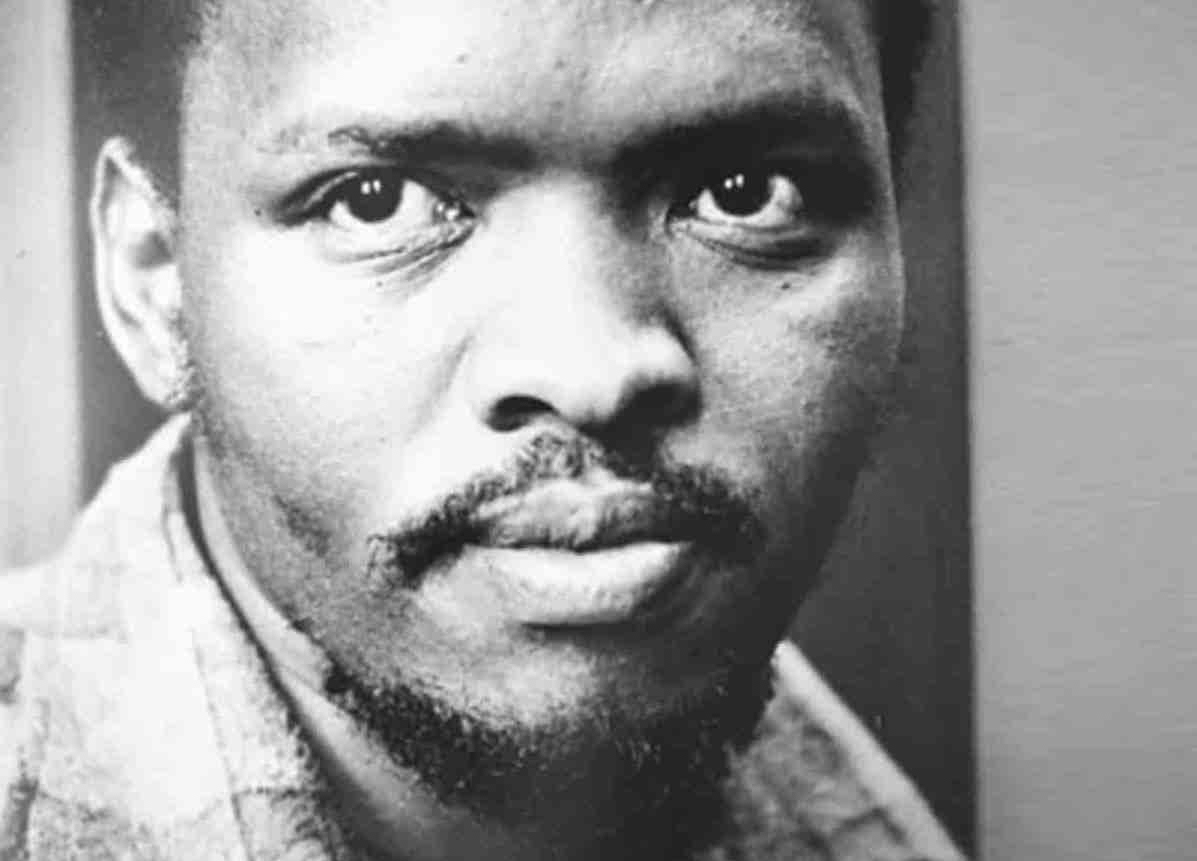
Steve Biko. (Store Norske Leksikon)
Steve Biko was just thirty-one when he was murdered by South Africa’s apartheid government on September 12, 1977. A leader of the Black Consciousness (BC) movement, Biko helped found the South African Students’ Organization (SASO) in 1968 as a breakaway from the multiracial, but white-led, National Union of South African Students.
While the apartheid government initially saw SASO and the BC movement as preaching a racial separatism not inimical to their own, it soon realized the radical movement was a threat to racial hierarchy in the country. As a series of national strikes broke out among black workers in the mid-1970s — eventually culminating in the 1976 Soweto uprising — the government cracked down. SASO and BC activist Onkgopotse Tiro was killed in 1974, and three years later Biko died in police custody.
But rather than snuff out his influence, Biko’s murder elevated him to the pantheon of South Africa’s great anti-apartheid leaders. Today, many invoke his name to critique the post-apartheid order, which remains brutally unequal.