To Win Labor Law Reform Like the PRO Act, We Must Scrap the Filibuster
Finally, it appears that the filibuster's days may be numbered. This is good news, because the closer we get to scrapping the filibuster, the closer we get to passing major labor law reform like the PRO Act.
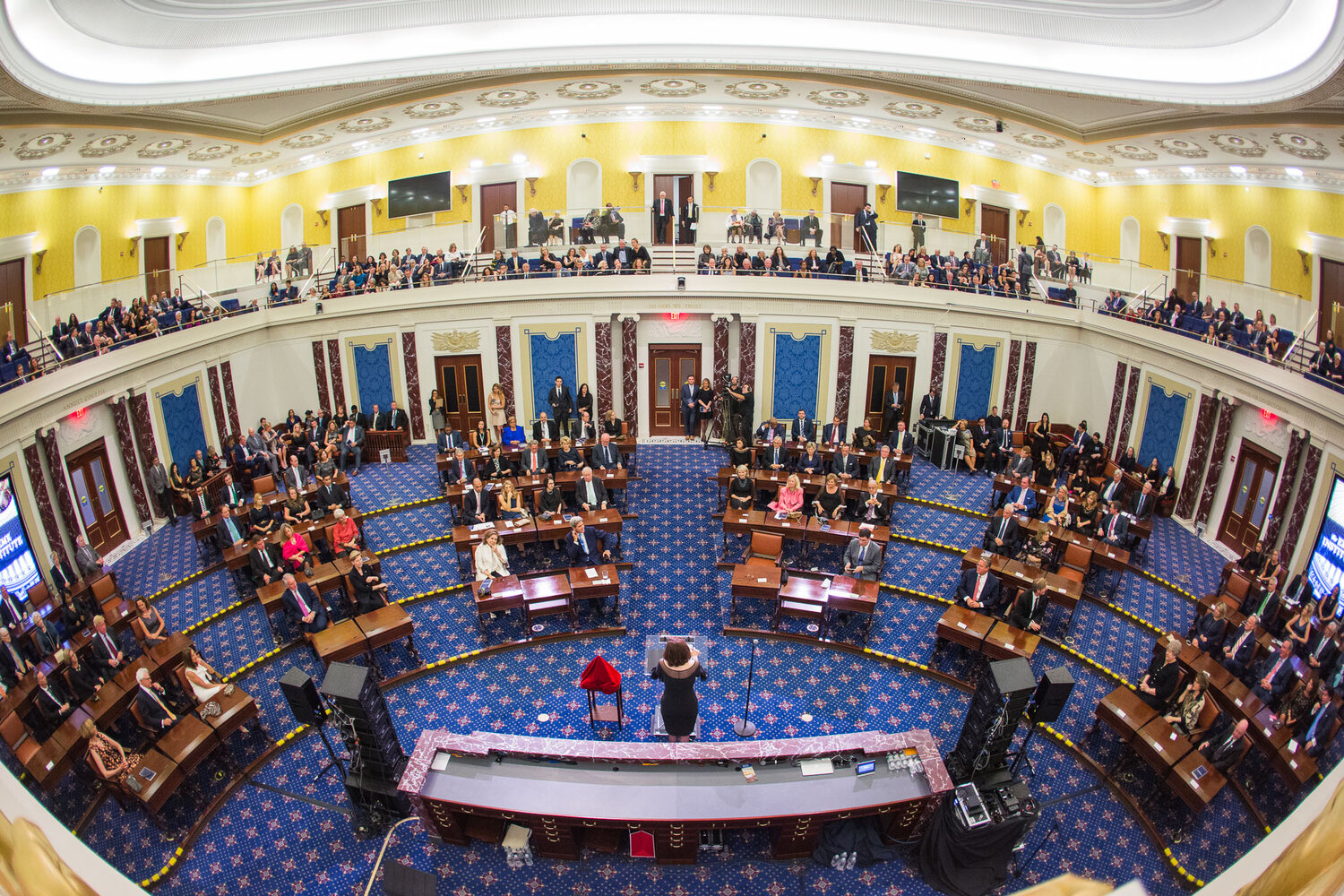
The PRO Act’s survival is contingent on modification to the filibuster. (Eric Haynes / Creative Commons)
The most exciting news in DC this past week has been the fast-evolving politics surrounding the Senate filibuster. Progressive organizations have long urged Democrats to do away with the weapon altogether, to which President Joe Biden and moderate party members have largely been opposed to, but Senator Joe Manchin — the most ardent defender of the sixty-vote threshold for legislation — surprised many last Sunday when he stated that he was open to reforming the filibuster to make it more “painful” on the minority party to deploy.
This led to several days of discourse weighing the relative merits of a filibuster-less reality, until Biden said in a sit-down interview that he fully supported changing the rule to the pre-1975 norm and allow for only a “talking” filibuster.
This reform, if crafted after proposals recently popularized by Norman Ornstein and Adam Jentleson, would flip the burden from the majority party needing to find sixty votes to the minority party needing to maintain both a speaker at the lectern and forty-one senators on the floor at all times. Gone would be the ability to shut down deliberation on a bill with a simple email from a staffer; senators would now have to talk, talk, and talk some more to even begin to circumvent majority rule in the chamber. There’s a reason why such speak-a-thons were rarely deployed and virtually never successful before 1975: they don’t work if the majority is truly committed to passing the bill in question.