Abolish the Filibuster
The filibuster has been a tool of reaction since its inception. We should abolish it.
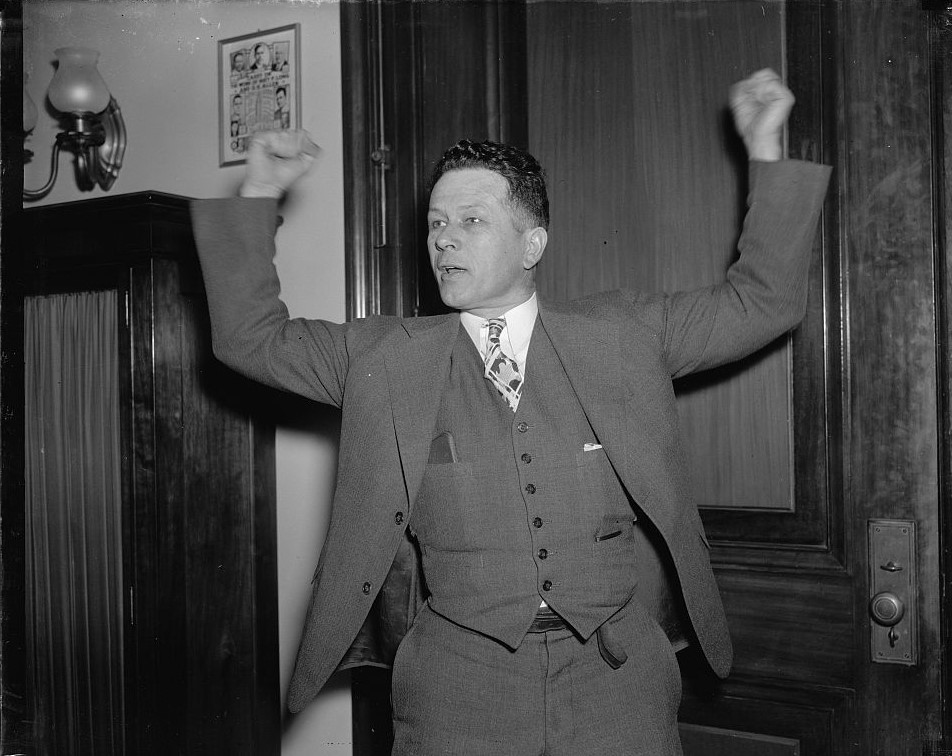
Senator Allen J. Ellender of Louisiana after twenty-eight hours of speechmaking in six days as part of the bloc of Southern senators filibustering the Anti-Lynching Bill, 1938.Library of Congress
The filibuster is one of the grand old traditions of the Senate, an ingenious tool to protect minority rights form the tyranny of the majority, and vital to ensuring democratic debate. Let’s take a tour through some of its greatest achievements.
How about the time that Southern Democrats filibustered anti-lynching legislation to death? There wasn’t just one time, of course, because they did this at least three separate times: in 1922, 1938, and 1940, all presumably storied victories for minority rights.
The filibuster didn’t protect minority rights just by killing anti-lynching bills, though. It also did so by killing a 1942 bill repealing the poll tax, Harry Truman’s civil rights legislation, and a 1980 bill erecting protections against housing discrimination. This isn’t counting the times a filibuster was tried and failed in defeating civil rights measures, such as the 1957, 1960, and 1964 civil rights bills, the 1968 Fair Housing Act, or the 1972 measure to give the Equal Employment Opportunity Commission enforcement powers for the first time. Nor the times it was used to water down such legislation, as with the 1957 bill.