The Gamestop Affair Is Just the Latest Incarnation of the “People’s Capitalism” Delusion
The Robinhood trading app is an attempt to commercialize a powerful but thoroughly fictional myth: that finance can be democratized while ownership and control remain in the hands of powerful capitalists.
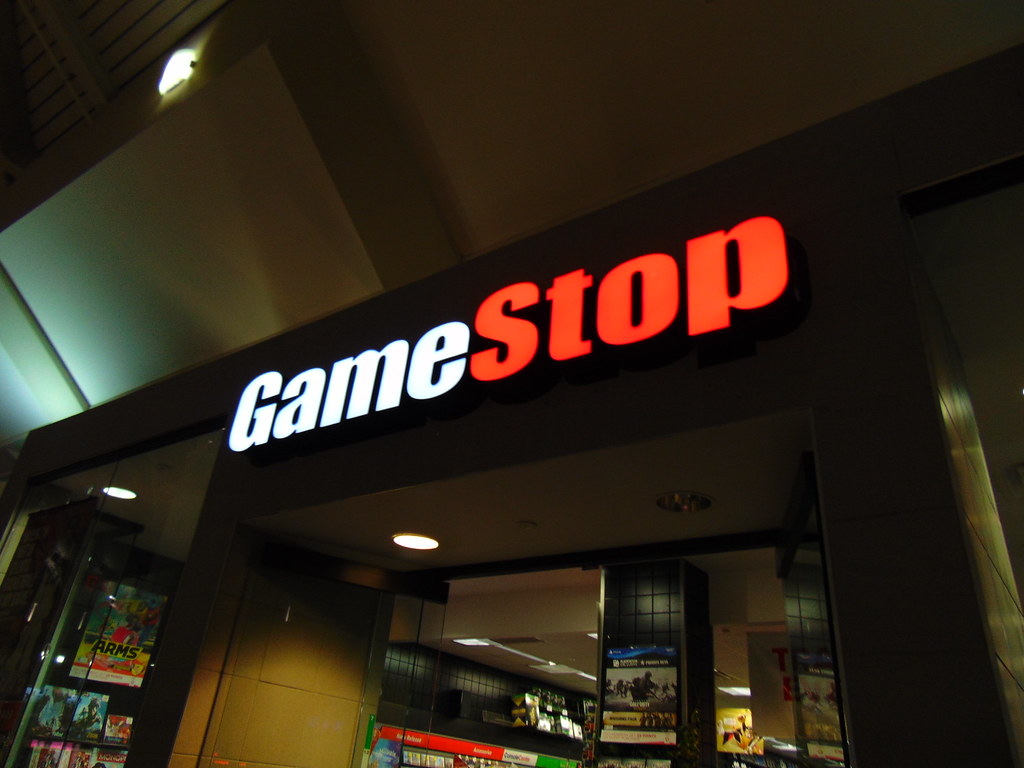
A brick-and-mortar GameStop store in Rhode Island. (Flickr)
After a banner week in which renegade Reddit-based trading shot up the value of GameStop stock to nearly $470, the company’s share price now appears to be on a downward trajectory. But while this week could see the end of the GameStop bubble, the controversy has undeniably unleashed a tidal wave of resentment toward Wall Street and other actors, which have been cracking down on what they consider illegitimate speculation.
Predictably, calls have been heard for more inclusive trading and increased access to financial markets, goals similar to those originally promised by Robinhood — the app-based trading platform at the center of the controversy. Edward Ongweso Jr, a labor and technology reporter at Motherboard and cohost of the This Machine Kills podcast, has been following the turmoil on Wall Street since it began. He spoke to Jacobin about the GameStop hoopla, Robinhood, and the illusion of democratized financial markets accessible to all.
Luke Savage
Before we get to the meat of things, it’s probably worth a basic rundown of how this controversy has played out so far. For those who still aren’t clear: Just what exactly happened with GameStop and a few other companies’ stocks, why has it become such an incendiary story, and where are we at now?
Edward Ongweso Jr