The Trading App Robinhood Takes From You and Gives to the Rich
The start-up trading app Robinhood invoked Occupy as it promised to fix a "rigged" financial system. But the firm now faces class action lawsuits for scamming its millions of novice customers — showing that "democratizing" finance is just a way of finding more people to prey on.
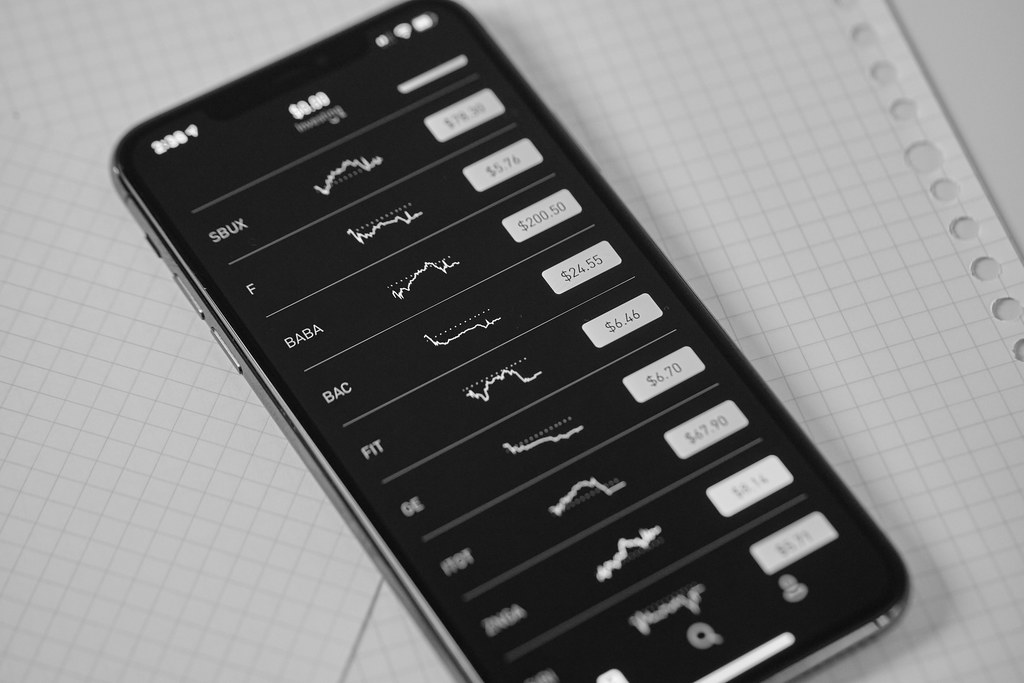
This Robinhood shouldn’t be confused with the one who robbed the rich to serve the poor. (Flickr)
Market researchers estimate that over 10 million Americans became first-time investors in 2020, amid record volatility. A staggering 6 million chose to invest through Robinhood, the Silicon Valley start-up that pioneered commission-free trading back in 2013. The app has been lauded by commentators for its mission to democratize finance — but as the New Year approached, the company found itself in hot water three times in just two weeks.
Most recent is the class action lawsuit, filed on December 24, that claims Robinhood offsets the costs of its commission-free calling card by reselling stock orders for backdoor fees. A similar charge was settled with the Securities and Exchange Commission (SEC) on December 17, with Robinhood forced to pay out $65 million for misleading customers about its revenue sources and failing to execute trades at quality prices. The SEC found that this latter fault cost users over $34 million — far exceeding any short-change savings they would have made on commissions costs.
The heist would have been a scandal even if it had hit America’s more capitalized investing class, but Robinhood’s clientele is different: the average account holder has a few thousand dollars at hand, is around thirty years old, and is more likely than not to be a first-time investor. The app that built its brand around sticking up for the entry-level investor, it turns out, has been picking their pockets in the shadows.