Reading Edmund Burke Shows That Conservatism Is All About Defending Traditional Hierarchies
Studying the writings of Edmund Burke, the father of modern conservatism, reveals something important: that right-wing intellectual thought is little more than a series of dressed-up defenses of conventional social relations and traditional hierarchies.
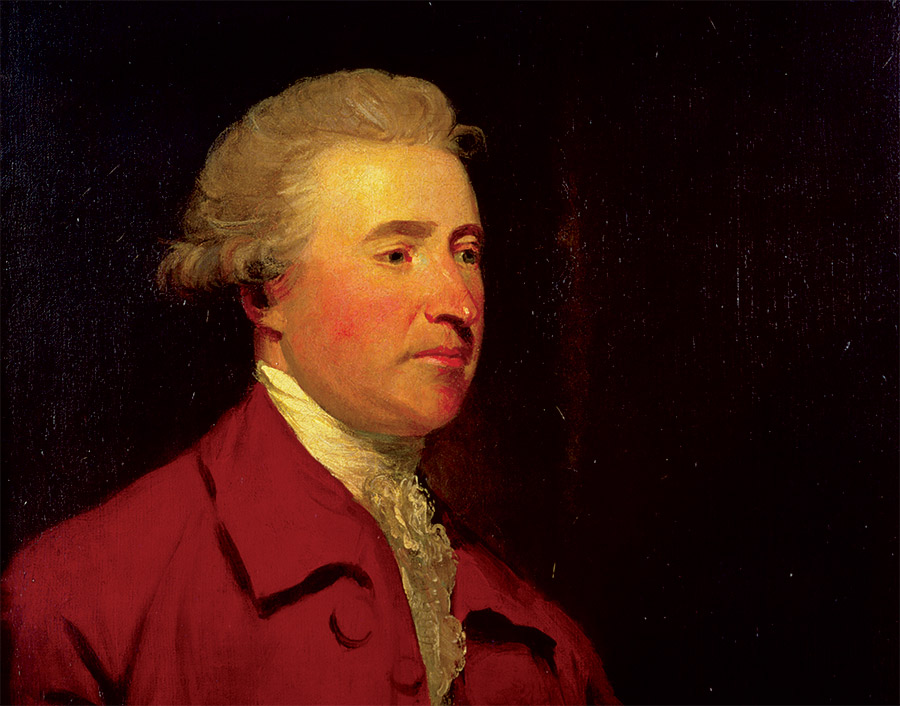
Edmund Burke (1729–1797) by James Northcote.
Edmund Burke occupies a venerable position in the history of right-wing thought, often described by friend and foe alike as the father of modern conservatism. No doubt this would have surprised the opinionated Irishman, who largely saw himself as a practical politician, with nothing but disdain for pretentious intellectual scribblers. But no one gets to decide how history will remember them, if it deigns to, and Burke’s most enduring legacy has proven to be his extensive writings on politics and aesthetics.
Burkeanism is a mercurial and even intentionally ambiguous way of approaching the world, one that regards the human capacity to reason as fundamentally limited and consequently venerates established social relations and the wisdom allegedly embedded in tradition.
In many ways, it’s fundamentally anti-modern. And it has indelibly stamped the history of conservative thought.