What Liberalism Gets Right — And Wrong
The liberal tradition is a complex body of thought that socialists should grapple with seriously. But today, preserving the gains of liberalism — civil liberties, free speech, and social pluralism — means rejecting the liberal defense of capitalist private property rights.
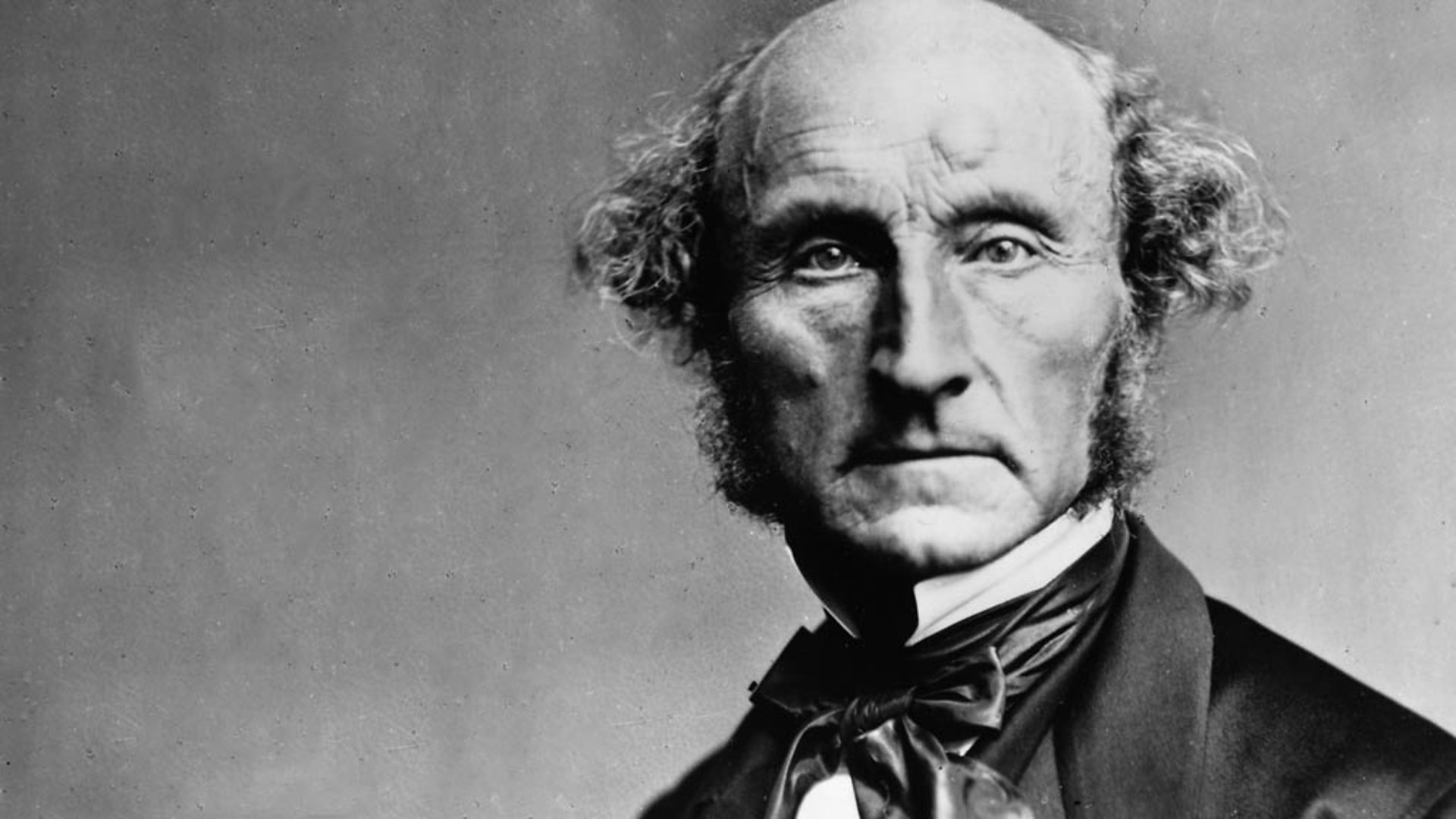
John Stuart Mill, one of the most influential thinkers in the history of classical liberalism. (Photo: Oxford University)
Irving Howe was one of the most adept American leftist writers of his generation: able to move seamlessly from commenting on left-wing theory and living wages to reflecting on the finer points of William Faulkner and American literature. One of the founders of Dissent magazine, Howe, who died in 1993 at the age of seventy-two, picked his battles and shook up Left pieties when he thought it was necessary. A striking example is his 1977 piece “Socialism and Liberalism: Articles of Conciliation?” in which Howe weighed in on the everlasting dispute between the two major modernist doctrines.
Howe’s hope that some kind of rapprochement might occur would soon seem overly optimistic, as the neoliberal era took hold and the Keynesian consensus on which he leaned broke apart. Looking back, Howe also conceded too much to liberalism, including its antipathy toward direct democracy.
But in our own era, as we grapple with the rise of the far right, Howe’s writing on the affinity between liberalism and socialism is well worth revisiting.