What Karl Marx Really Thought About Liberalism
Karl Marx celebrated liberalism’s achievements, such as freedom of the press, while excoriating its fidelity to private property rights. We can hold the same tension in our minds — fiercely opposing capitalism while fighting to make liberal rights real through socialist transformation.
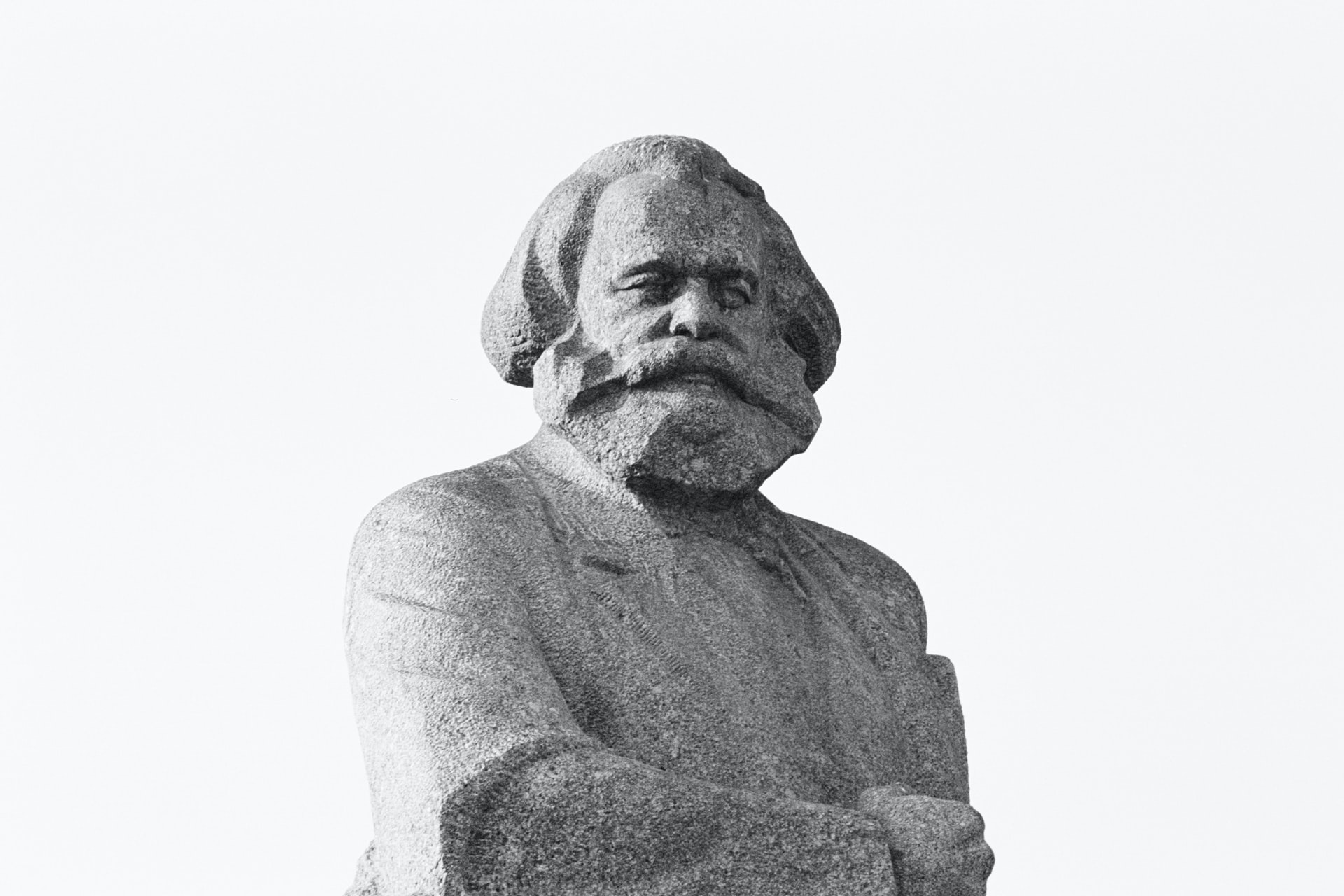
The main theoretical innovation of Igor Shoikhedbrod’s new book is developing a communist account of legality and rights inspired by Marx’s work. (Hennie Stander / Unsplash)
When I was an undergraduate specializing in human rights (don’t ask how long ago), we were told two things about Karl Marx: that he wasn’t a fan of capitalism, and that he was a critic of liberal rights. From his essay “On the Jewish Question” onward, Marx was taken to expose the fundamental contradictions and hypocrisies of rights discourse, revealing the meaninglessness of liberal freedoms in a world of vast inequalities in property and power. To paraphrase Anatole France, liberal property rights meant that beggars and CEOs alike were allowed to buy mansions.
In the communist society to come, this account of Marx continued, the state, and thus the very idea of “rights,” would wither away. Resources would be distributed based on the principle “from each according to his ability, to each according to his needs,” and humans would finally be able to develop all sides of their nature: the free development of each would be engendered by the free development of all. This would be real and substantive freedom, rather than the purely formal liberty of liberalism.
In his new book Revisiting Marx’s Critique of Liberalism: Rethinking Justice, Legality and Rights, the political philosopher Igor Shoikhedbrod sets out to challenge this conventional reading. According to Shoikhedbrod, Marxism’s radical critique of liberalism is precisely radical in the Latin sense of radix: it grows out of a set of shared convictions that Marx thinks liberalism is unable to realize.