How Anton Pannekoek Planned to Storm the Heavens
Before Anton Pannekoek, astronomers sought only to interpret the cosmos — his goal was to change it. The renowned Dutch scientist who gave his name to an asteroid and a moon crater was also a Marxist revolutionary who debated with figures like Lenin about the road to power.
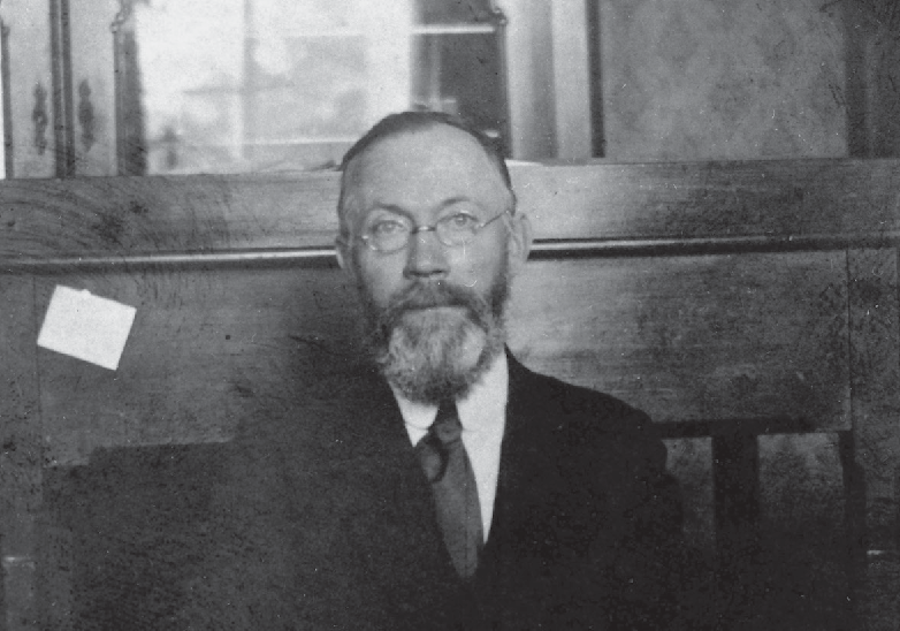
The Dutch Astronomer Anton Pannekoek combined the roles of an important socialist thinker and a prominent scientist. (Wikimedia Commons)
There has always been a healthy crossover between Marxism and the natural sciences. Frederick Engels kept abreast of the latest scientific knowledge in his own time. In his work Dialectics of Nature, Engels warned that no matter how far humans were able to perfect their forms of social organization, a time would inevitably come when the Earth could no longer sustain organic life:
And what will happen to our solar system will happen sooner or later to all the other systems of our island universe; it will happen to all the other innumerable island universes, even to those the light of which will never reach the Earth while there is a living human eye to receive it.
From the other side of the intellectual fence, leading twentieth-century scientists like John Desmond Bernal and J. B. S. Haldane had strong Marxist sympathies. In recent decades, figures like Stephen Jay Gould and Mike Davis have continued this dialogue, crossing the bridge between human and natural history in search of insights for both fields of study.