Drive Spain’s Francoites From Their Palaces (and Boardrooms)
Spanish dictator Francisco Franco's family has finally been evicted from the summer palace it has occupied since 1938. The handover shows how Spain is starting to confront its past — but also points to the vast real estate and business power that still lies in the hands of Franco's supporters.
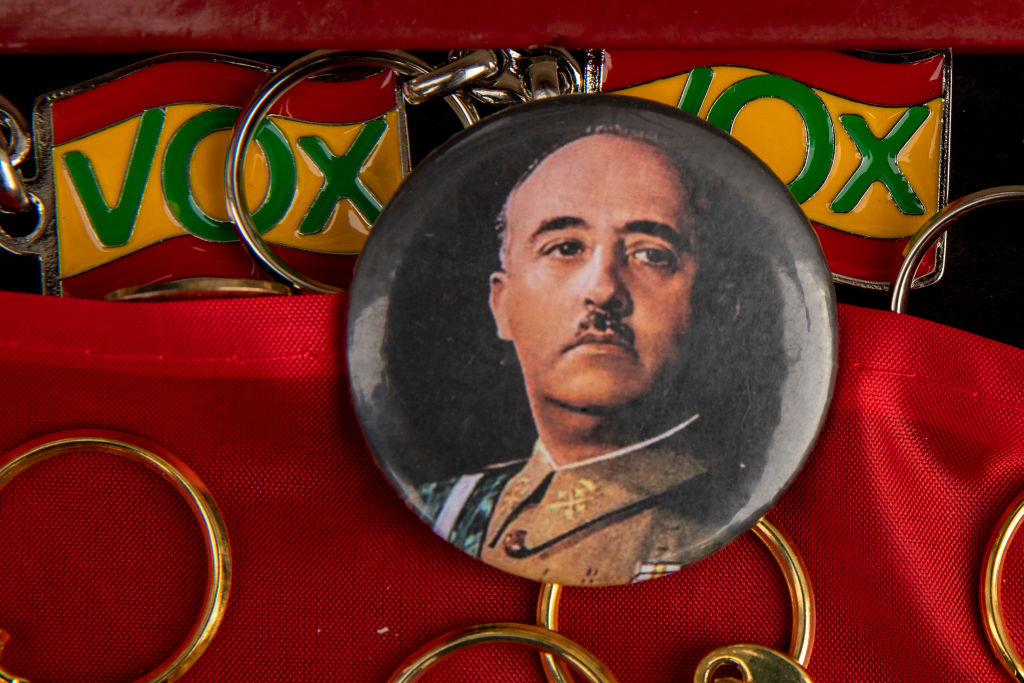
Despite scholarly advances, society in general is yet to embrace a shared narrative of Francoism and its historical development. (Pablo Blazquez Dominguez / Getty Images)
On December 10, the Pazo de Meirás manor house passed into the hands of the Spanish state, finally ceasing to be the property of the Franco family. The widely celebrated handover had been expected since September, when the courts annulled the 1938 donation of this property to the self-proclaimed head of state.
But this news has to do with more than the fate of Franco’s summer palace. It came at a moment when the battle over the historical narrative — alongside small advances in truth, justice, and reparations regarding the Franco era — has made the handling of Spain’s traumatic past a key subject of media debate.
The return of Pazo de Meirás may well mark a turning point in how Spain deals with its history — and the politics associated with this. For the first time, the media spotlight has turned to the economic plunder, repression, and labor exploitation perpetrated by the dictatorship and its functionaries.