Storming France’s City Halls
Amid the collapse of France’s historical parties, Emmanuel Macron is presiding over the most unstable political climate in decades. As municipal elections loom in March, the forces of the Left are showing rare signs of unity — feeding hopes they can turn social revolt into a challenge for the presidency itself.
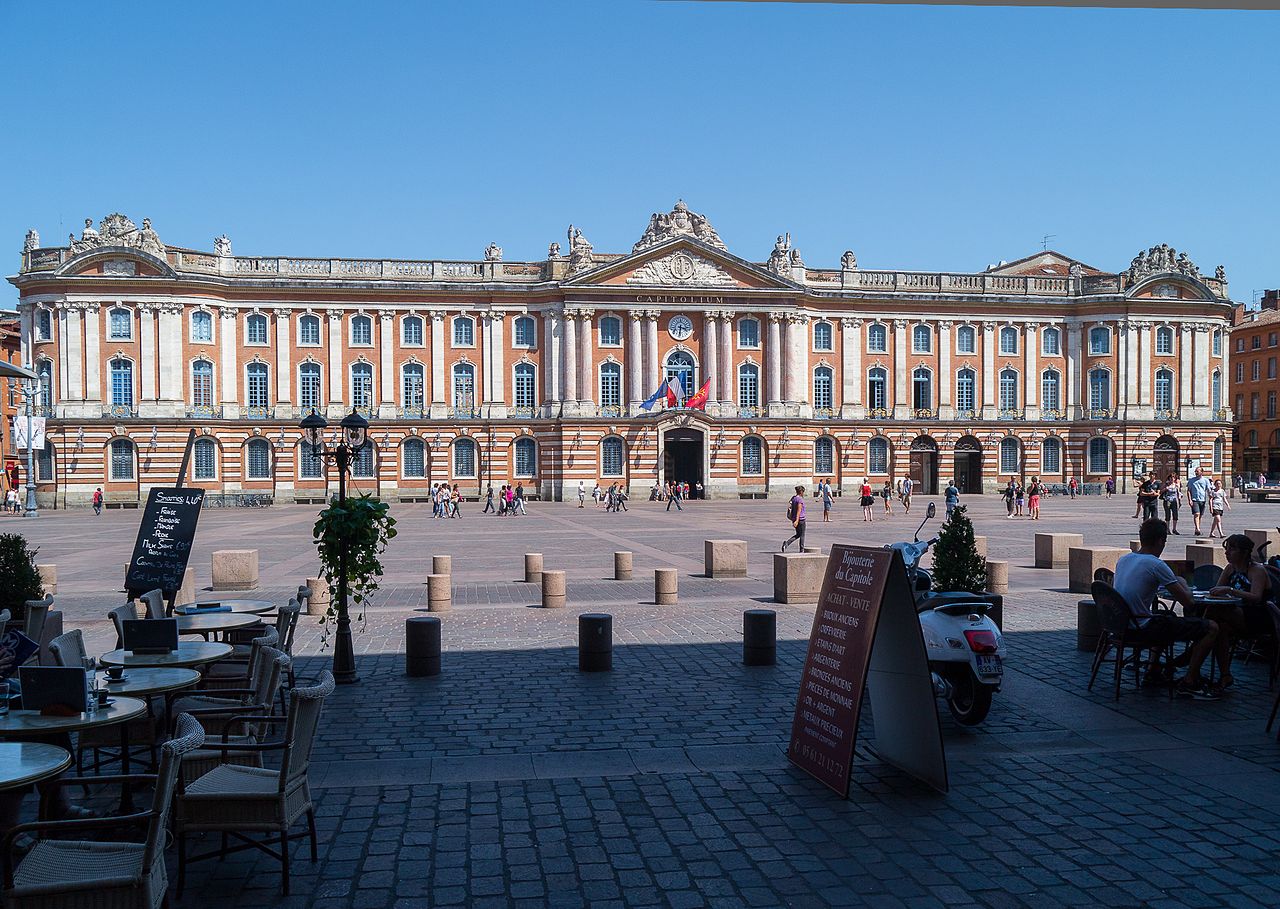
City Hall, Toulouse, France, 2012.Sergey Ashmarin / Wikimedia
The French left has seen better days.
Since the election of President Emmanuel Macron in 2017, the country’s smorgasbord of left-wing parties has struggled to make much impact on policy, let alone the national conversation. While controversial reform attempts have fallen like dominoes — first over labor law and the railway system, then unemployment insurance and now pensions — public frustrations have largely failed to translate into political gains for progressives. But with fresh elections come fresh hopes. And when France heads to the polls this March to elect its mayors and municipal councils, the country’s deeply-fragmented Left hopes voters will help buck the trend.
With around 35,000 municipalities up for grabs — the highest such figure in the European Union — there is, at the very least, no shortage of races worthy of optimism. In a handful of locales, new grassroots-driven alliances are aiming to swing their cities to the Left. In other municipalities, more established coalitions are working together to try and capture city hall. In other cities still, left-wing parties — namely the French Communist Party (PCF) and the Socialist Party (PS) — aim to defend their majorities.