Bernie’s Plan to Give Everyone Health Care During the Pandemic Could Transform Our Health System
Bernie Sanders’s proposal to create a national emergency health insurance plan could have a transformative effect on the national health care debate, long after the COVID pandemic is over. But that plan, along with any other progressive policies, will be rendered moot if Joe Biden sticks to his insistence on seeking Republican support in Congress.
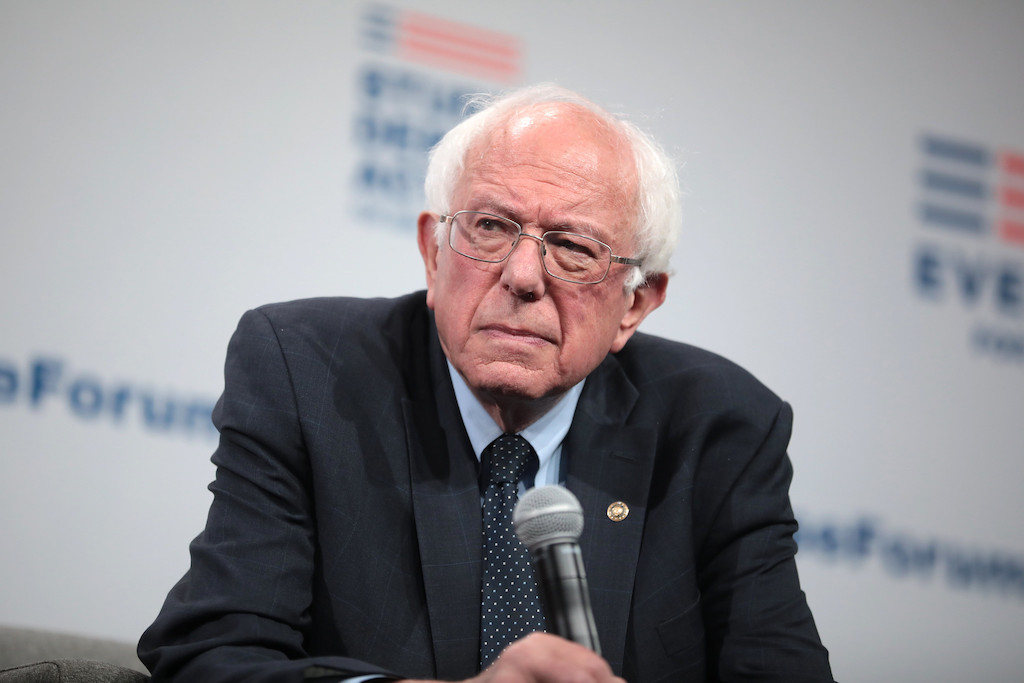
Bernie Sanders’s new role as chair of the Senate Budget Committee offers some very real reason for optimism. (Gage Skidmore / Flickr)
There continue to be plenty of reasons for skepticism about the incoming Democratic administration and its plans, despite the party’s newly secured Senate majority. For one thing, despite containing some encouraging elements, Joe Biden this week signaled his intention to seek Republican votes for his COVID relief package — a move that will almost certainly water down the plan and slow its passage.
Nonetheless, Bernie Sanders’s new role as chair of the Senate Budget Committee offers some very real reason for optimism. Though he won’t, of course, have anything approaching the power that would be required to pass the agenda he ran on earlier this year, chairing the committee does give him control over the reconciliation process — the nature of which, as the New York Times put it, “effectively gives Mr. Sanders a leading role in deciding how expansive — and expensive — Mr. Biden’s ambitions for new taxes and spending will be.”
Fearmongering statements from Republican politicians should always be taken with a grain of salt. But the prospect of what a Democratic senate majority might bring was enough to spook Paul Ryan back in 2016. “Do you know who becomes chair of the Senate Budget Committee?” as he put it to a group of college Republicans four years ago. “A guy named Bernie Sanders. You ever heard of him?”