Renationalize Canada’s Airlines
The pandemic has exposed some terminal defects in Canada’s deregulated, privately owned airline industry. Nationalization is the best way to make air travel viable, environmentally sustainable, and in tune with social needs.
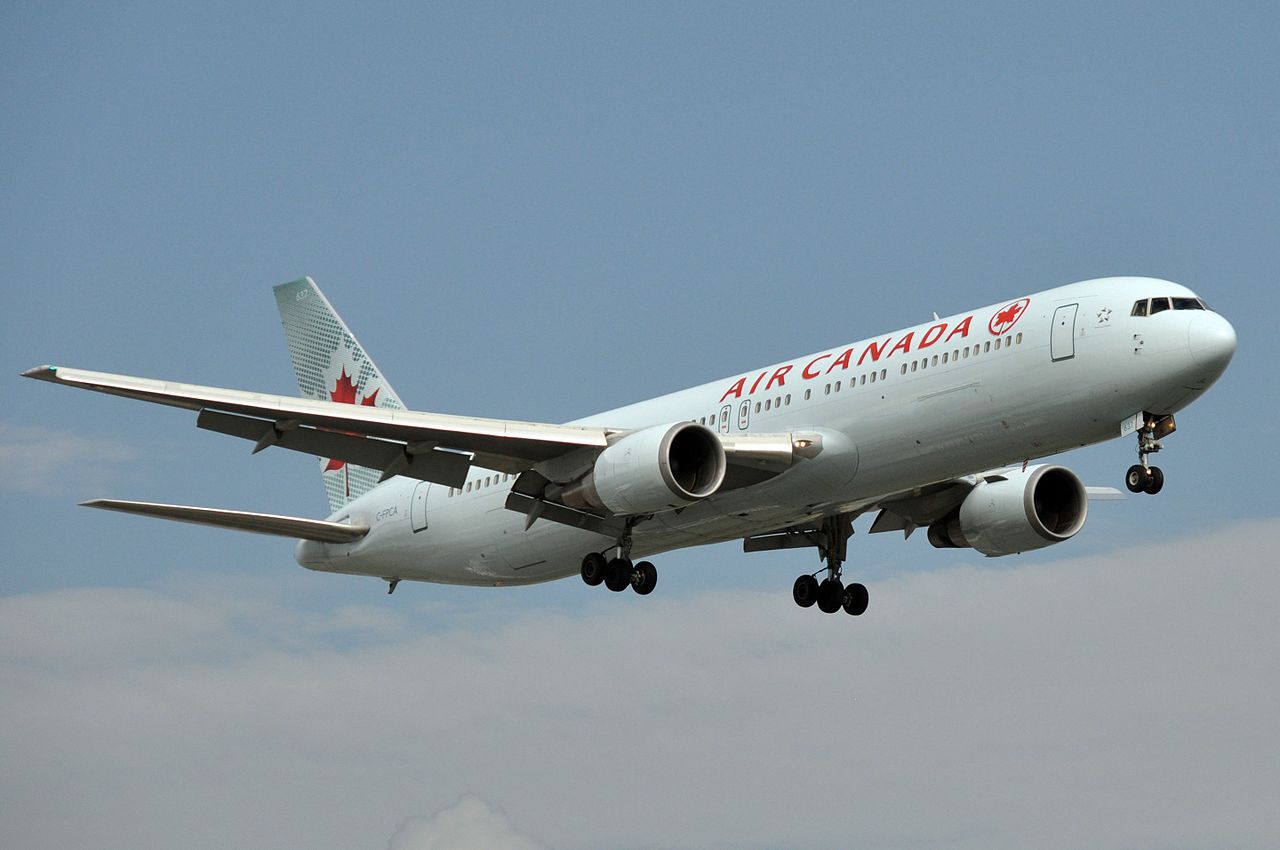
The federal government has already given Air Canada $400 million in wage subsidies — more than any other publicly traded company in the country. It makes little sense for the government to keep pouring money into the airline when it has no public equity stake. (Wikimedia Commons)
Canada’s flag carrier, Air Canada, is cutting most of its flights to locations across Atlantic Canada from major cities like Toronto and Ottawa. WestJet, Air Canada’s main competitor, had already announced a cut of 80 percent to its Atlantic Canada flights back in October.
At first glance, airlines in Canada may seem to be victims of a post-pandemic decline in business. Cutting flights to the Atlantic provinces appears to make sense, as they have some of the smallest populations in the country. But Air Canada’s current crisis has much deeper roots, going back to its privatization in 1988.
Since many people from Atlantic Canada travel west to find work, air travel is of vital importance to the region’s livelihood. The Atlantic provinces have the highest proportion of seasonal workers in Canada. If an airline cannot provide travel where it’s needed, what public function does it really serve?