How the German Right Created Bulgaria’s Kleptocratic Prime Minister
As anti-corruption protests pile pressure on Bulgarian premier Boyko Borissov, EU leaders have begun to distance themselves from his government. Yet throughout the last two decades, Borissov was actively sponsored by the German right — a dismal example of how foundations in Berlin created postcommunist Eastern Europe's new elites.
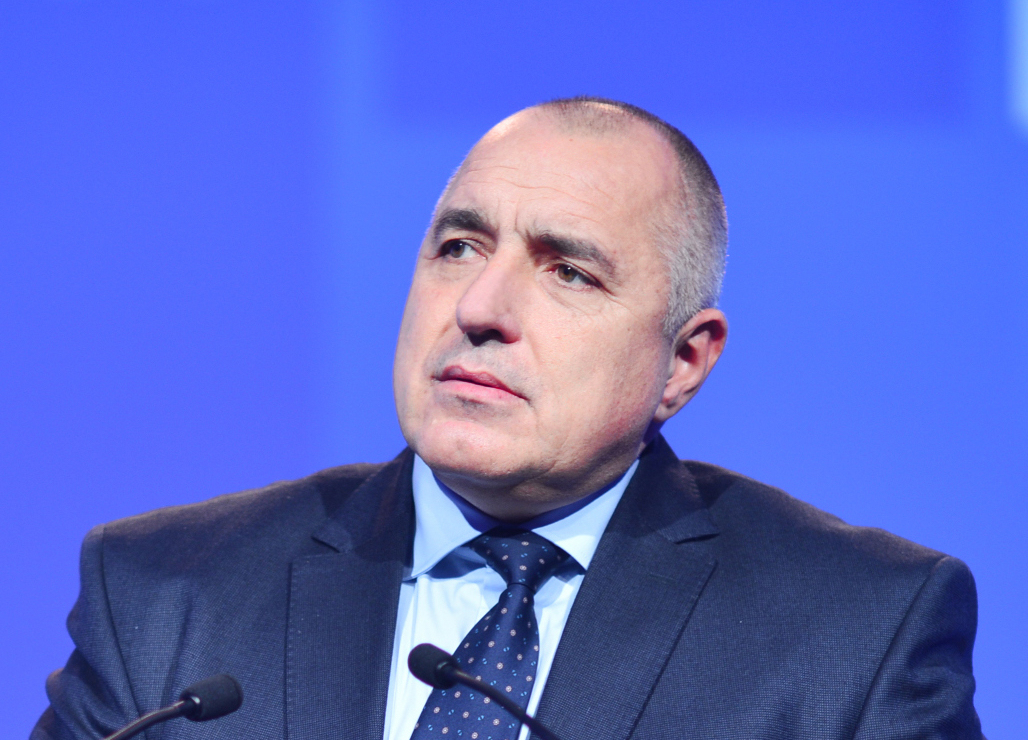
Boyko Borissov in Dublin, 2014. (David Plas / Wikimedia Commons)
Since June, Bulgarian political life has been dominated by anti-corruption protests calling for the resignation of prime minister Boyko Borissov and the coalition led by his GERB party.
Though the nightly rallies have started to dwindle — and it seems they won’t topple the government before parliamentary elections scheduled for early 2021 — they have done likely irreversible damage to Borissov’s image. He is polling at all-time lows — and no less significantly, GERB’s reputation has been seriously undermined on the international stage.
The protests are the culmination of public outrage at a long line of scandals implicating the government in mafia-style abuses of the public purse — and repression which has helped enrich GERB’s leadership as well as its business partners. The streets of the capital Sofia and other cities have seen angry crowds calling for resignations, with signs directed at EU elites, oftentimes even written in German, asking “Ms. Merkel! Are you not ashamed of that corrupt guy?”