Bulgaria’s Kleptocracy Owes to Its Economic Model, Not Just Its Corrupt Politicians
Three decades after the end of state socialism, Bulgaria is plagued by low wages, kleptocracy, and a dearth of progressive alternatives. The massive protests of recent weeks have echoed past discontent with corrupt officials — but there’s growing awareness that an anti-corruption drive won’t uproot the real sources of unaccountable corporate power.
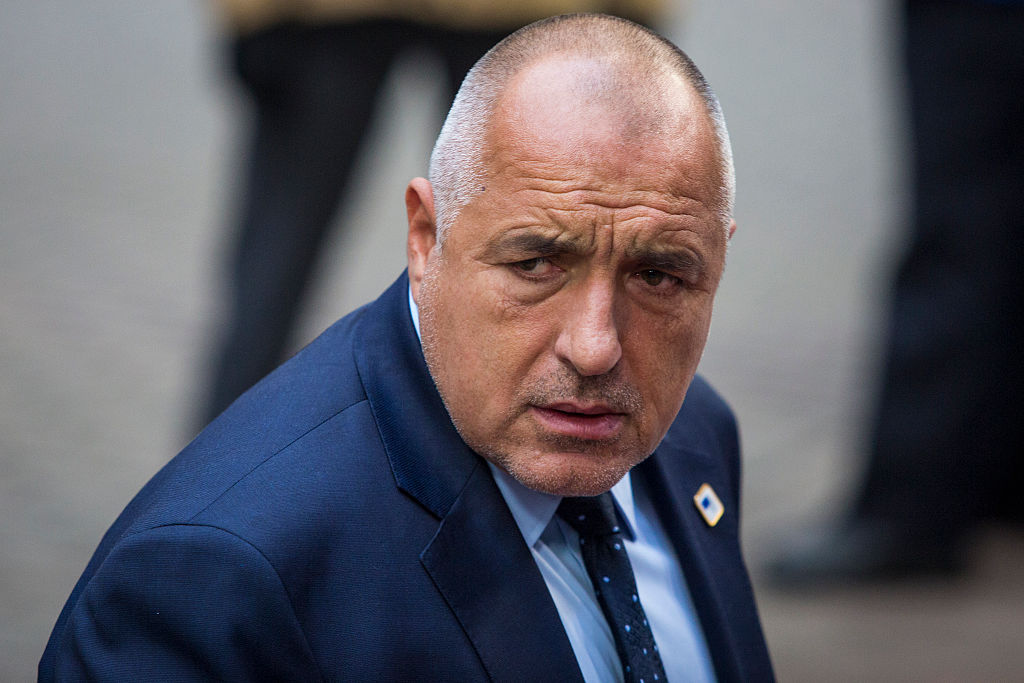
Bulgarian prime minister Boyko Borissov. (Jack Taylor / Getty Images)
Bulgaria, the European Union’s poorest member state, is currently in the fourth week of the largest anti-government mobilization in years. Despite fears surrounding the coronavirus pandemic, tens of thousands of protestors are taking to the streets every night in the capital Sofia and other cities. They are demanding the resignation of attorney general Ivan Geshev and long-serving prime minister Boyko Borissov, who has governed the country on and off for over eleven years.
Like many of its Eastern European neighbors, Bulgaria has experienced waves of popular discontent at kleptocratic elites and downward social mobility since the collapse of state socialism in 1990. The last wave, sparked by popular anger at skyrocketing energy prices, broke in early 2013 and returned the Bulgarian Socialist Party (BSP) to power, only for it to face its own wave of anti-corruption protests later that summer.
Now the current government, a coalition between Borissov’s center-right Citizens for European Development of Bulgaria (GERB) and several far-right parties, has become the latest object of popular wrath. But this time, it seems, the demands for change run deeper — cohering the grievances that bring protesters onto the streets year after year.