The Problem With “Privacy”
The governments and corporations that spy on us would like nothing better than for us to remain lone individuals, tasked with protecting our own data and privacy. Only collective action can secure civil liberties.
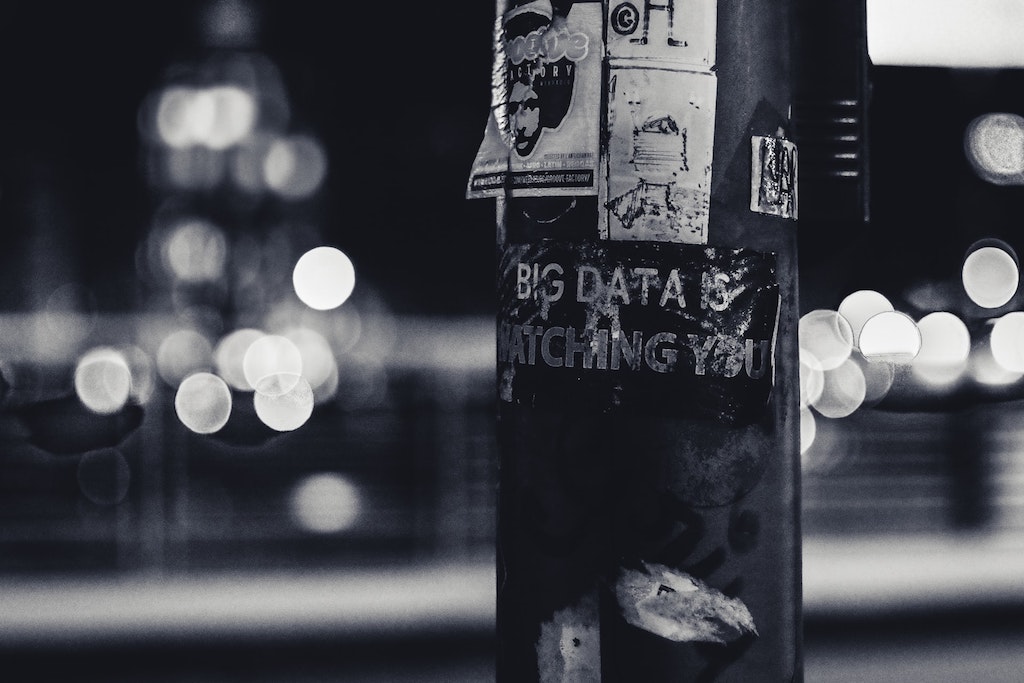
The science of Big Data is increasingly arcane, and individuals cannot be plausibly empowered to discern how their data is used. (@ev / Unsplash)
Privacy looks to be another major casualty of COVID-19. The pandemic has accelerated our dependence on digital platforms and services that, by their nature, make our data vulnerable. School is online; shoppers increasingly rely on digital purveyors; and half the workforce toils remotely from home. Many of the digital innovations and changes we witness are here to stay, bound to alter social and economic life in profound ways — and make privacy cheap.
There’s more. As vaccine development drags on and countries grow anxious to open their economies more fully, the Chinese model beckons. Wuhan, the early epicenter of the disease, is open for business and back to normal. China corralled the disease by deploying invasive surveillance — among other things, training cameras on people’s doors to enforce quarantine — and modeled other forms of digitally tracking people across the country’s vast expanse, to enable an impressive contact tracing system.
US tech firms eager to emulate China’s success are developing smartphone apps that indicate if you have been near someone infected, and thus need to quarantine. Much of the COVID-inspired surveillance is also here to stay — and, dreading another global shutdown, I wager many people will be happy for it.