The United States Is Badly In Need of Democratic Reform
America’s political institutions are designed to keep democracy at bay. But evidence is mounting that Americans have had enough and want reform.
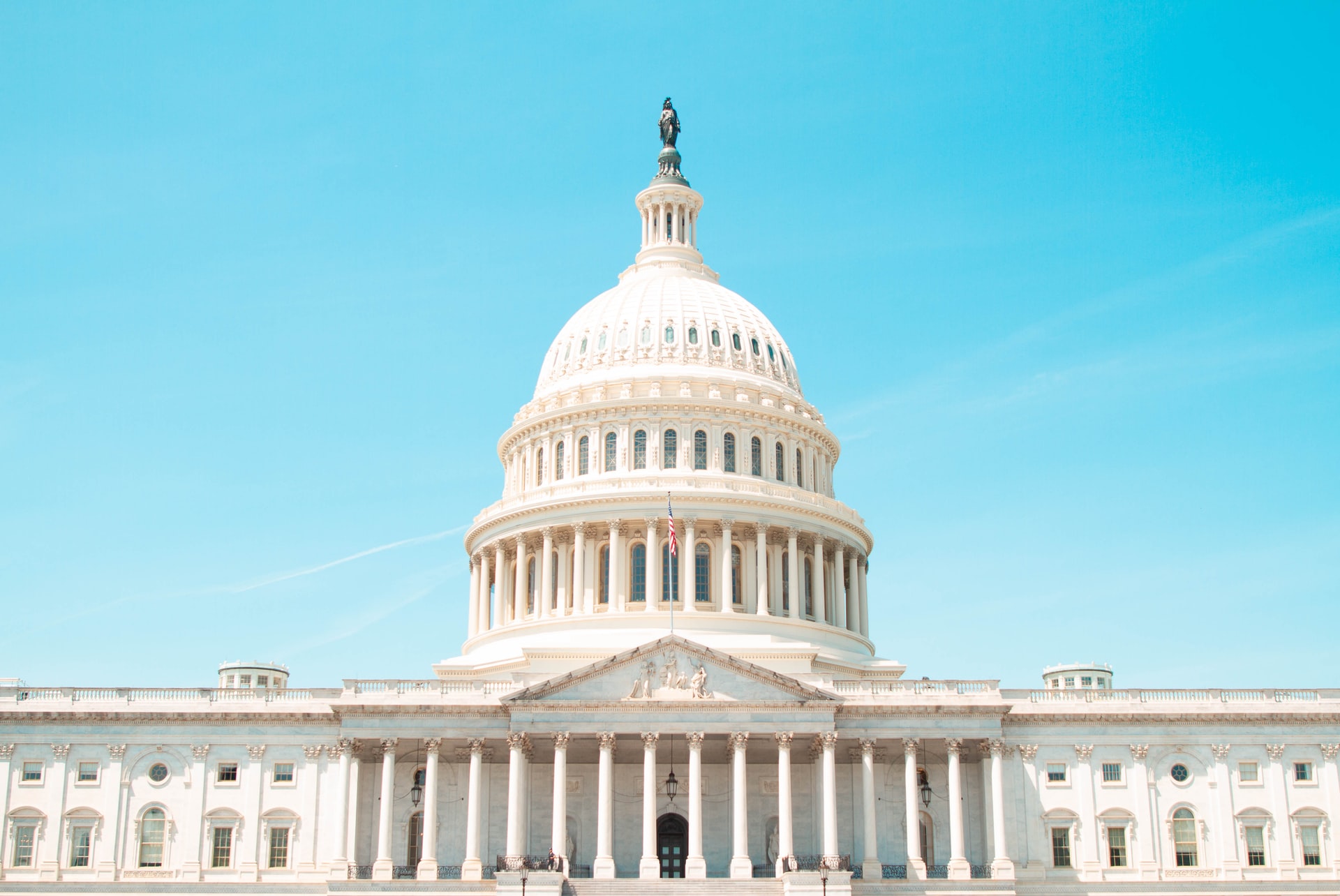
The trifecta of the Electoral College, Supreme Court, and Senate functions as a constitutionally embedded check on popular and majority rule. (Caleb Perez / Unsplash)
Socialists and progressive liberals alike find plenty to criticize about American democracy. For the socialist left, democracy is fatally compromised by both the dominance of markets and the stratification imposed by class society. While most do not extend it to a critique of capitalism itself, progressive liberals tend to agree that organized wealth enjoys a dangerous and outsize influence in twenty-first-century America — there also being consensus around the need to extend voting rights, combat gerrymandering, and fight voter suppression.
Worthy and necessary as these critiques are, there’s also a far more basic one to be mounted of what passes for “democracy” in the United States. Which is to say: even with the standard left and progressive analyses set aside, America’s political institutions are considerably less democratic and egalitarian than those of other liberal states. Measured against rudimentary principles like one person, one vote and rule by a popularly elected majority, much of the American system effectively works as a giant check against small-d democracy.
Just how antidemocratic is the United States? The Trump era has offered up some particularly striking case studies.