Ho Chi Minh’s Time in Rio de Janeiro Helped Make Him a Revolutionary
- David Broder
Before he became Vietnam’s foremost communist, Ho Chi Minh traveled across Europe and the Americas as a ship’s cook. In Rio de Janeiro, he encountered a world of inequality, but also of defiant class solidarity — an experience that helped forge one of the twentieth century’s greatest revolutionaries.
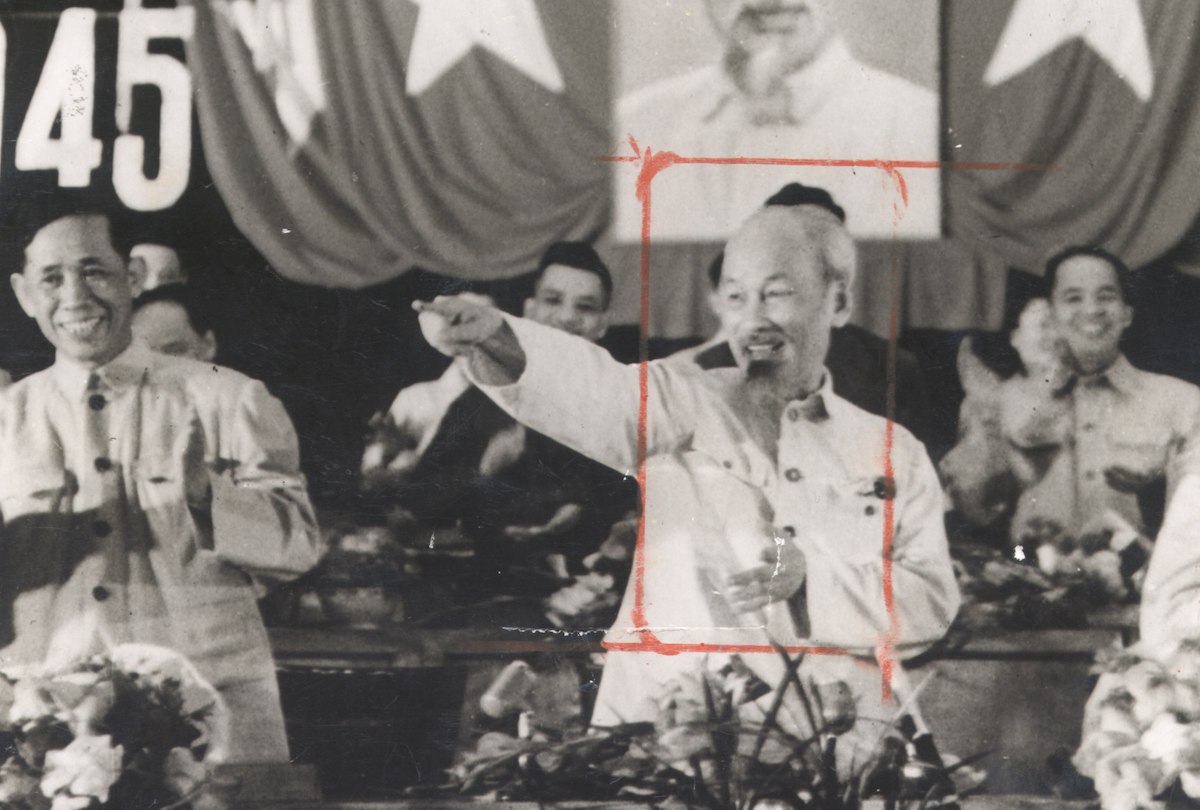
In 1911, Ho Chi Minh was forced out of his homeland. Between then and his stay in Paris in revolutionary 1917, he lived countless adventures around the world — including in Rio de Janeiro, Brazil. (Brazilian National Archives)
Ho Chi Minh, hero of the Vietnamese revolution, passed away on September 2, 1969. At the time of his death, the war in his homeland was still ongoing. But the Vietnamese resistance had already turned the tide against the US imperialist invasion.
In his youth, the communist militant who later became president of North Vietnam had traveled around the world as a ship’s cook. This episode remains little known, at least relative to his later life. And even less known is the fact that in the early 1910s this work led him to visit Rio de Janeiro.
The Brazil he saw was deeply unequal. Yet Rio was also a city full of hope and struggle — an environment which itself helped to shape one of the twentieth century’s leading revolutionaries.